How to Build a Conversational Search Intent Attribution Strategy When AI Assistants Drive 32% of Product Discovery But Analytics Platforms Can't Connect ChatGPT Referrals to Revenue
How to Build a Conversational Search Intent Attribution Strategy When AI Assistants Drive 32% of Product Discovery But Analytics Platforms Can't Connect ChatGPT Referrals to Revenue
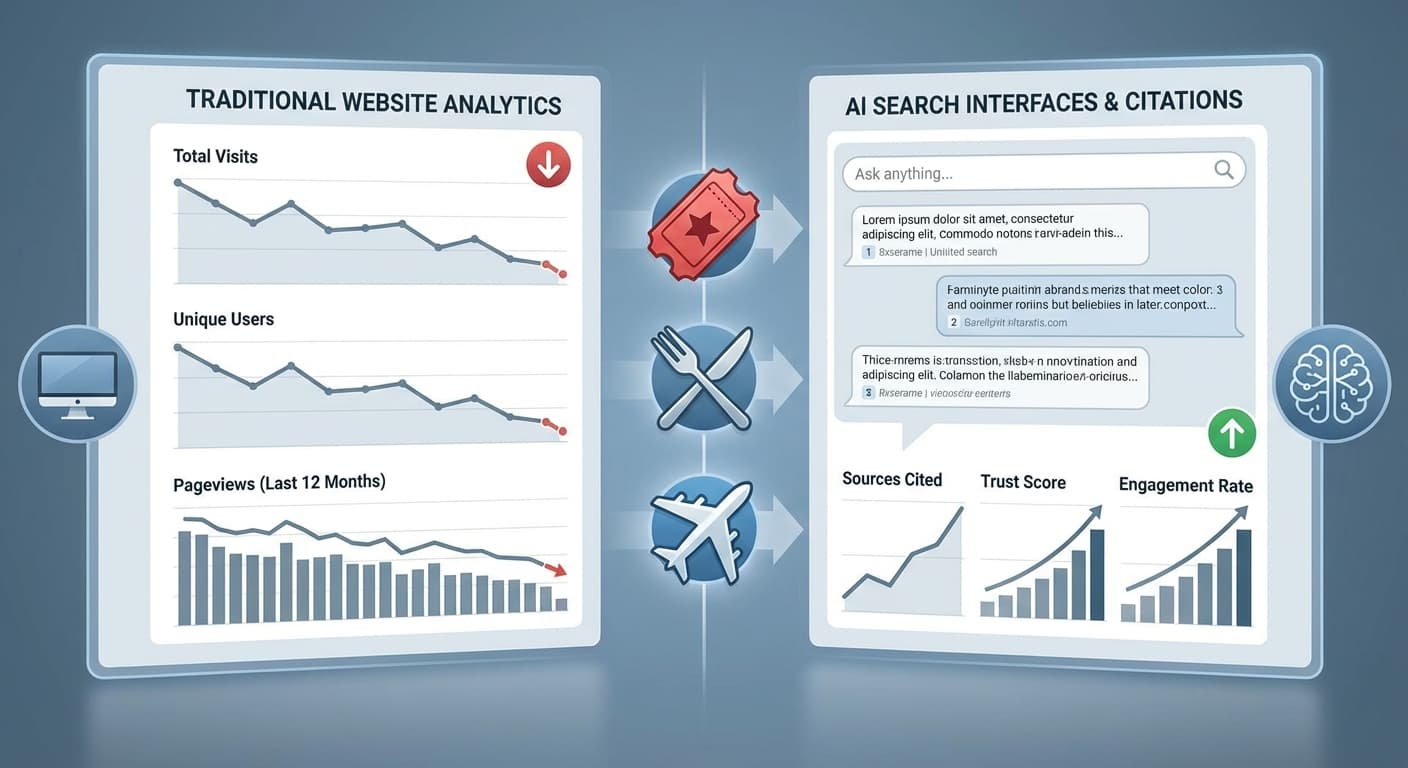
Imagine discovering that 32% of your product discovery happens through AI assistants like ChatGPT, Perplexity, and Claude, but your analytics dashboard shows these interactions as "dark traffic" or direct visits. This is the reality facing marketers in 2026, where conversational AI has fundamentally changed how customers find and evaluate products, yet our attribution models remain stuck in the traditional search era.
With over 750 million weekly active users across major AI platforms and 68% of Gen Z using AI assistants for purchase research, the disconnect between AI-driven discovery and revenue attribution has become one of the most pressing challenges in digital marketing. The solution isn't just tracking these interactions—it's building a comprehensive conversational search intent attribution strategy.
The Attribution Black Hole: Why Traditional Analytics Fail AI Interactions
Traditional web analytics were designed for a linear customer journey: search → click → website → conversion. But conversational AI has shattered this model. When someone asks ChatGPT "What's the best project management tool for remote teams?" and receives a detailed comparison that mentions your product, that interaction is invisible to Google Analytics.
Here's what's happening in the attribution gap:
Understanding Conversational Search Intent: The New Customer Journey
Conversational search intent differs fundamentally from traditional keyword-based intent. Instead of typing "CRM software pricing," users ask nuanced questions like "I'm a solo consultant who works with 5-10 clients at a time. What CRM would help me track interactions without being overwhelming?"
This shift requires recognizing three types of conversational intent:
1. Discovery Intent
Users exploring solutions to problems they can articulate but haven't researched extensively. These conversations often start with "What's the best..." or "How do I..." and represent the top of the funnel.
2. Comparison Intent
Users evaluating specific options, asking questions like "Slack vs. Microsoft Teams for a 50-person startup" or requesting detailed feature comparisons.
3. Validation Intent
Users seeking confirmation about decisions they're leaning toward, asking about specific use cases, integrations, or implementation challenges.
Building Your Conversational Attribution Framework
Step 1: Create Trackable Conversation Entry Points
Since you can't directly track AI conversations, focus on creating identifiable pathways from AI platforms to your site:
UTM Strategy for AI Traffic:
Content Markers:
Step 2: Implement Behavioral Attribution Modeling
Traditional first-click or last-click attribution misses the AI influence. Instead, build behavioral models that recognize AI-influenced journeys:
Behavioral Signals:
Advanced Attribution Techniques:
Step 3: Build Conversational Intent Measurement Systems
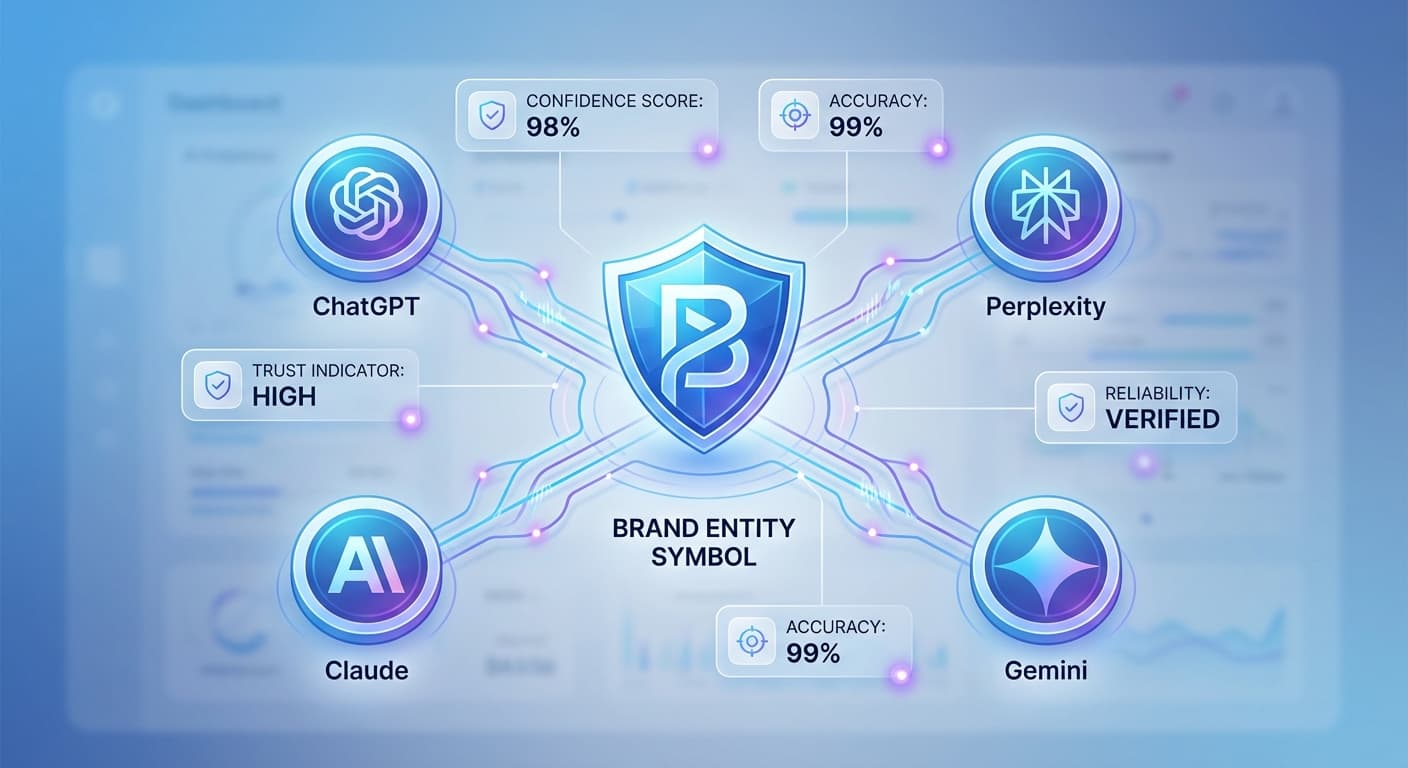
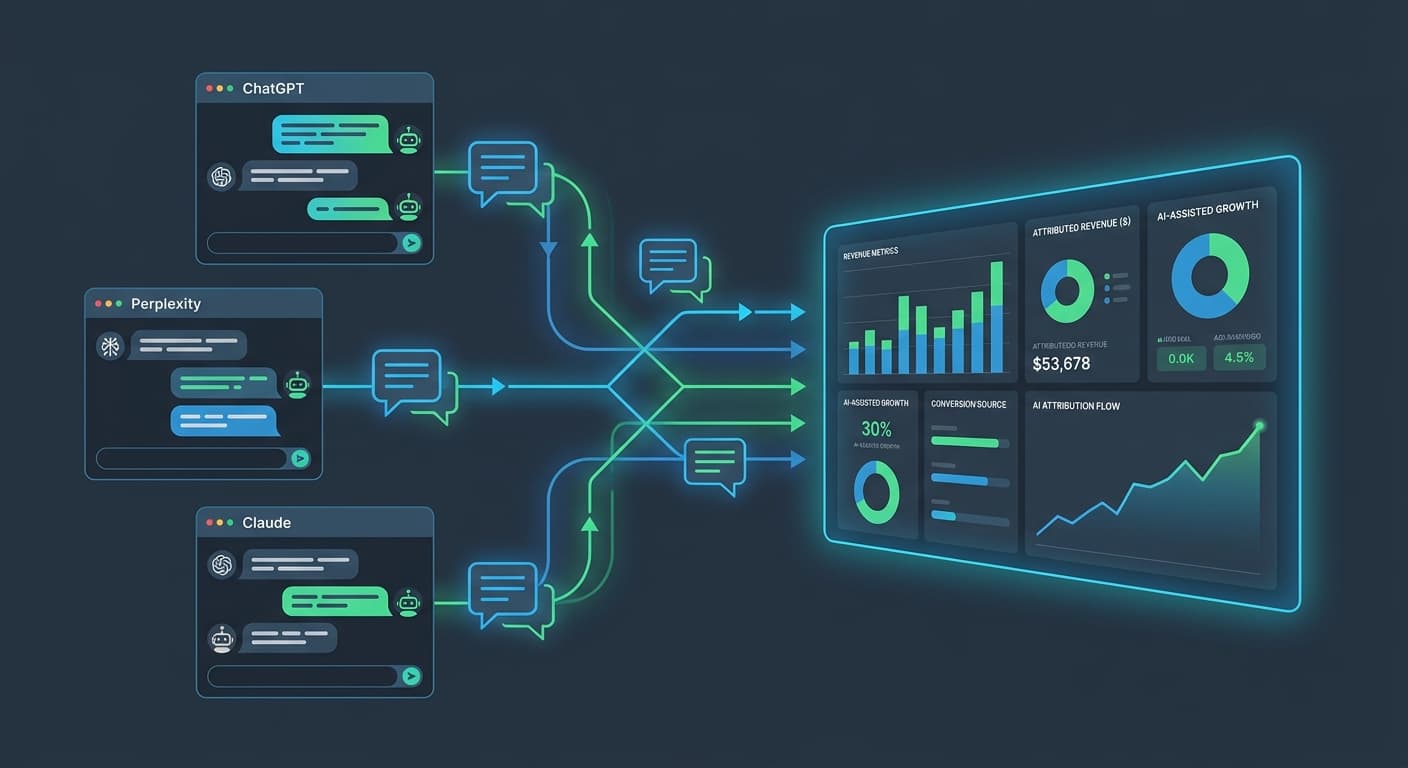
With platforms like Citescope Ai's Citation Tracker, you can monitor when your content gets referenced by ChatGPT, Perplexity, Claude, and Gemini. This creates a new layer of attribution data:
Citation Attribution Metrics:
Step 4: Create AI-Optimized Content Touchpoints
Optimize your content strategy for conversational discovery:
Content Optimization for AI Citation:
Conversion Path Optimization:
Measuring Success: New KPIs for Conversational Attribution
Primary Metrics
Secondary Metrics
Implementation Roadmap: 90-Day Strategy
Days 1-30: Foundation
Days 31-60: Optimization
Days 61-90: Refinement
Advanced Strategies: Beyond Basic Attribution
Competitive Intelligence Through AI
Monitor when competitors get cited in AI responses to your target queries. This reveals gaps in your content strategy and opportunities for better positioning.
Intent Clustering Analysis
Group similar conversational queries to identify content themes that drive the highest-value AI citations and subsequent conversions.
Temporal Attribution Modeling
Account for the delayed nature of AI-influenced conversions by extending attribution windows and weighting early touchpoints differently.
How Citescope Ai Helps
Citescope Ai addresses the conversational attribution challenge through its comprehensive platform:
By combining citation data with your analytics, you can build attribution models that account for AI influence and measure the true impact of conversational search on your revenue.
Ready to Optimize for AI Search?
As AI assistants continue to reshape product discovery, marketers who build sophisticated attribution strategies today will have a significant competitive advantage. Citescope Ai provides the tools and insights needed to track, optimize, and measure your success in the conversational search landscape. Start with our free tier to analyze your first three pieces of content and see how AI-optimized attribution can transform your marketing measurement.