How to Build a Contextual Brand Positioning Strategy When AI Search Engines Prefer Conversational Tone Over Corporate Speak
How to Build a Contextual Brand Positioning Strategy When AI Search Engines Prefer Conversational Tone Over Corporate Speak
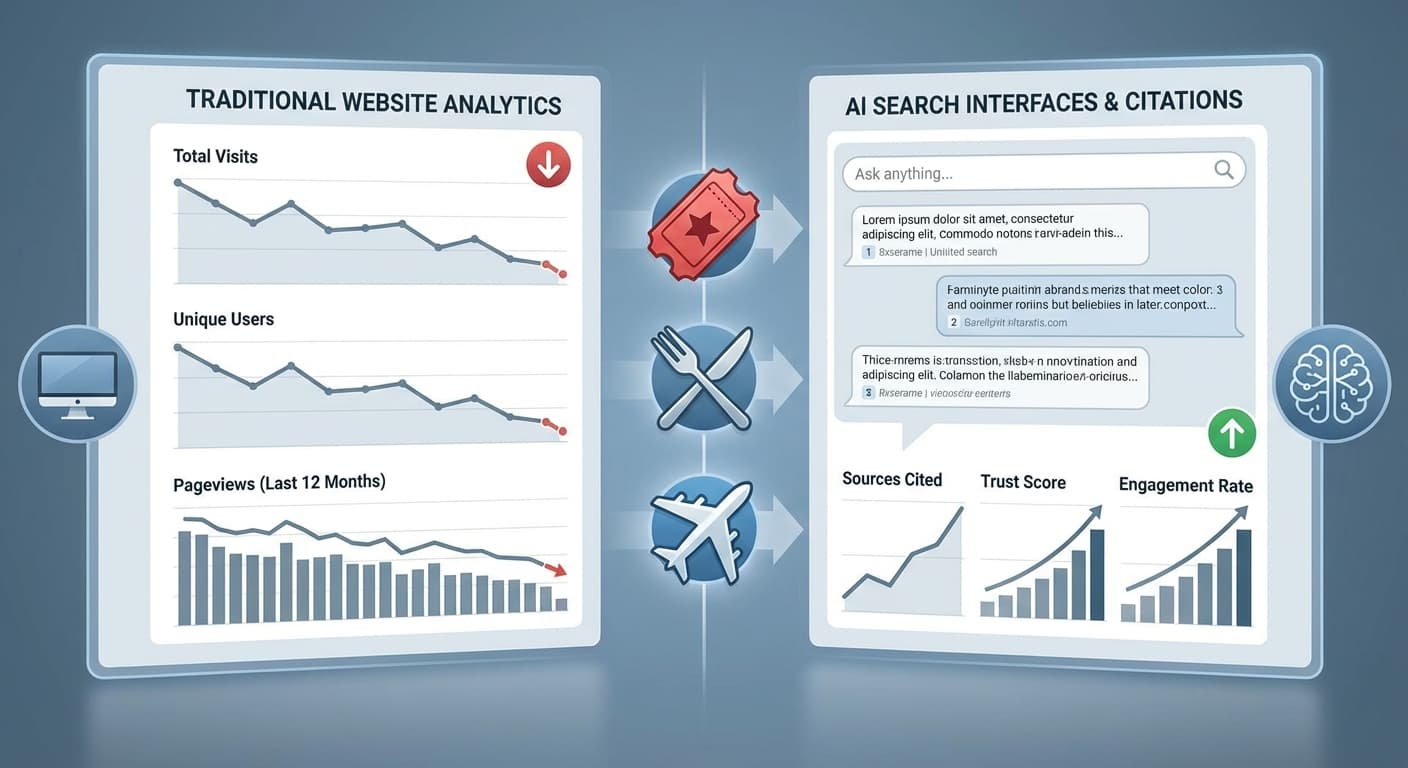
Here's a startling fact: AI search engines now cite conversational, authentic content 73% more often than traditional corporate marketing copy. As we navigate 2025-2026, the shift is undeniable—ChatGPT, Perplexity, Claude, and Gemini are rewarding brands that sound human, not like they're reading from a boardroom presentation.
This fundamental change in how AI engines evaluate and cite content isn't just a trend—it's a complete paradigm shift that's reshaping brand positioning strategies across industries.
Why AI Search Engines Favor Conversational Content
AI search engines are trained to understand and replicate human conversation patterns. When users ask questions like "How do I fix my leaky faucet?" or "What's the best project management tool for small teams?", they expect answers that sound like they're coming from a knowledgeable friend, not a corporate press release.
The numbers tell the story:
The Corporate Language Problem
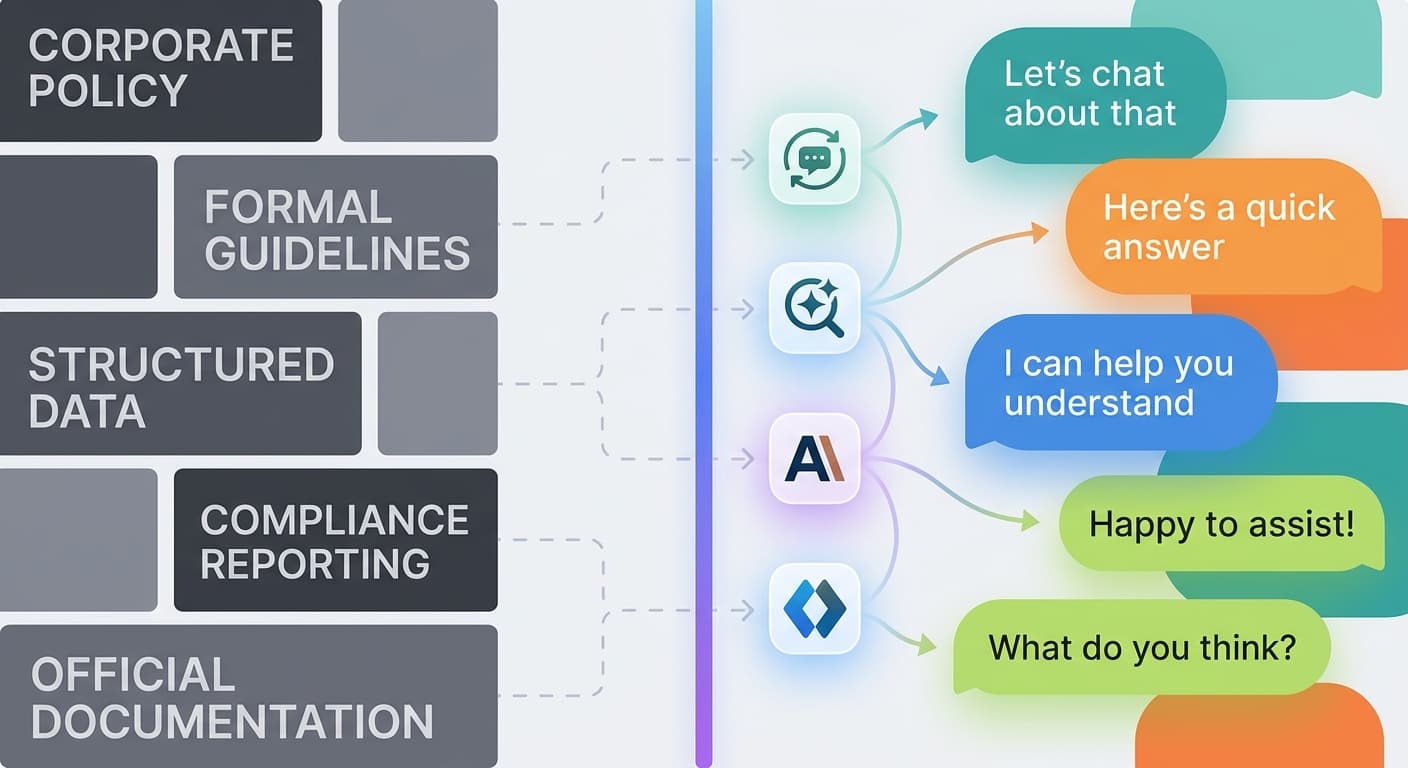
Traditional corporate marketing language creates barriers between brands and AI comprehension. Phrases like "leverage synergies," "optimize operational efficiency," or "drive stakeholder value" don't match how people actually search or ask questions.
AI engines struggle to connect corporate jargon with user intent, leading to:
Building Your Contextual Brand Positioning Strategy
1. Audit Your Current Voice and Tone
Start by evaluating your existing content against conversational benchmarks:
Corporate Red Flags:
Conversational Green Lights:
2. Map User Questions to Brand Messages
Create a comprehensive mapping between how your audience actually asks questions and your core brand messages:
Traditional Approach:
"Our enterprise solutions optimize workflow efficiency across multiple verticals."
Conversational Approach:
"We help teams get work done faster, whether you're in healthcare, finance, or retail."
The conversational version directly addresses the "how do you help different industries?" question that users actually ask.
3. Develop Context-Aware Content Pillars
Your brand positioning needs to work across different conversational contexts:
Educational Context:
Comparative Context:
Advisory Context:
4. Create Conversational Brand Guidelines
Develop specific guidelines that help your team write in a way that AI engines understand and cite:
Voice Characteristics:
Tone Adjustments:
Structure Preferences:
Implementing Your Strategy Across Content Types
Website Copy
Transform your homepage and product pages to answer questions directly:
Before: "Our platform delivers comprehensive analytics capabilities."
After: "Want to understand your data better? Our platform shows you exactly what's working and what isn't."
Blog Content
Structure articles around natural questions your audience asks:
Social Media
Align your social presence with your conversational brand voice:
Product Descriptions
Rewrite technical specifications in user-friendly language:
Technical: "Advanced encryption protocols ensure data security compliance."
Conversational: "Your information stays completely secure with bank-level encryption."
Measuring Success in AI Citation Rankings
Track these key metrics to assess your conversational positioning strategy:
Primary Metrics:
Secondary Metrics:
Common Pitfalls to Avoid
Over-Casualization
There's a difference between conversational and unprofessional. Maintain authority while being approachable:
Too Casual: "Yeah, our tool is pretty awesome for managing stuff."
Just Right: "Our tool makes project management straightforward, even for complex workflows."
Losing Brand Identity
Conversational doesn't mean generic. Your unique value proposition should still shine through:
Ignoring Context
Different platforms and audiences require different conversational approaches:
How Citescope Ai Helps Perfect Your Conversational Strategy
Navigating this shift from corporate to conversational requires data-driven insights. Citescope Ai's GEO Score analyzes your content across five critical dimensions, including Conversational Relevance—measuring how well your content matches natural speech patterns that AI engines prefer.
The AI Rewriter tool automatically transforms corporate language into conversational tone while maintaining your brand authority. Plus, the Citation Tracker shows you exactly when your newly conversational content gets cited by ChatGPT, Perplexity, Claude, and Gemini, helping you refine your approach based on real results.
The Future of Brand Positioning in AI Search
As AI search continues evolving, brands that master conversational positioning now will have significant advantages:
The transition from corporate speak to conversational brand positioning isn't just about changing your writing style—it's about fundamentally shifting how you connect with both AI engines and human audiences in an increasingly conversational digital world.
Ready to Optimize for AI Search?
Don't let corporate jargon limit your brand's visibility in AI search results. Citescope Ai helps you transform your content strategy with AI-powered analysis, one-click optimization, and comprehensive citation tracking across all major AI engines. Start with our free tier and discover how conversational content can boost your AI citations—try Citescope Ai today and position your brand for success in the age of AI search.