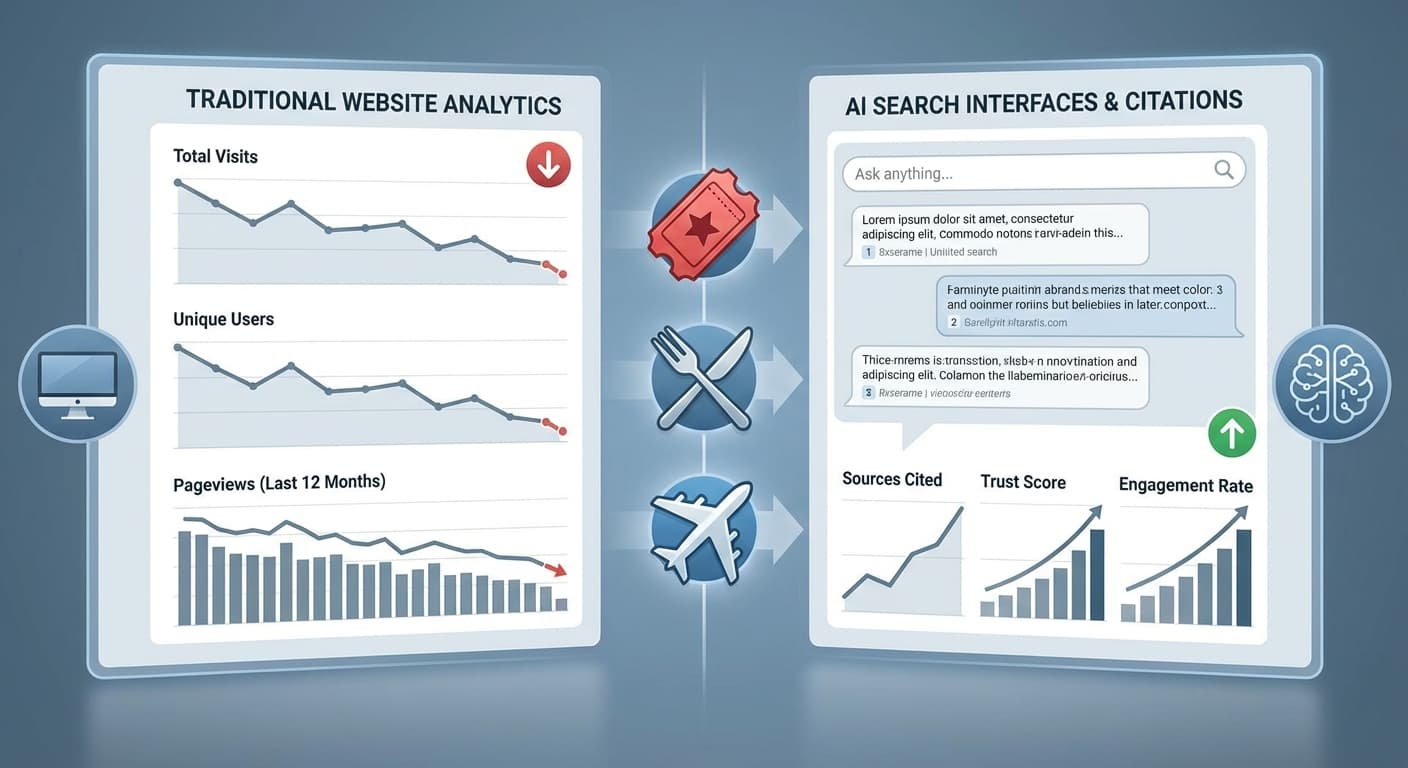
How to Build a Content Licensing Revenue Strategy When AI Search Engines Offer Direct Publisher Compensation Programs But Require Exclusive Training Data Rights
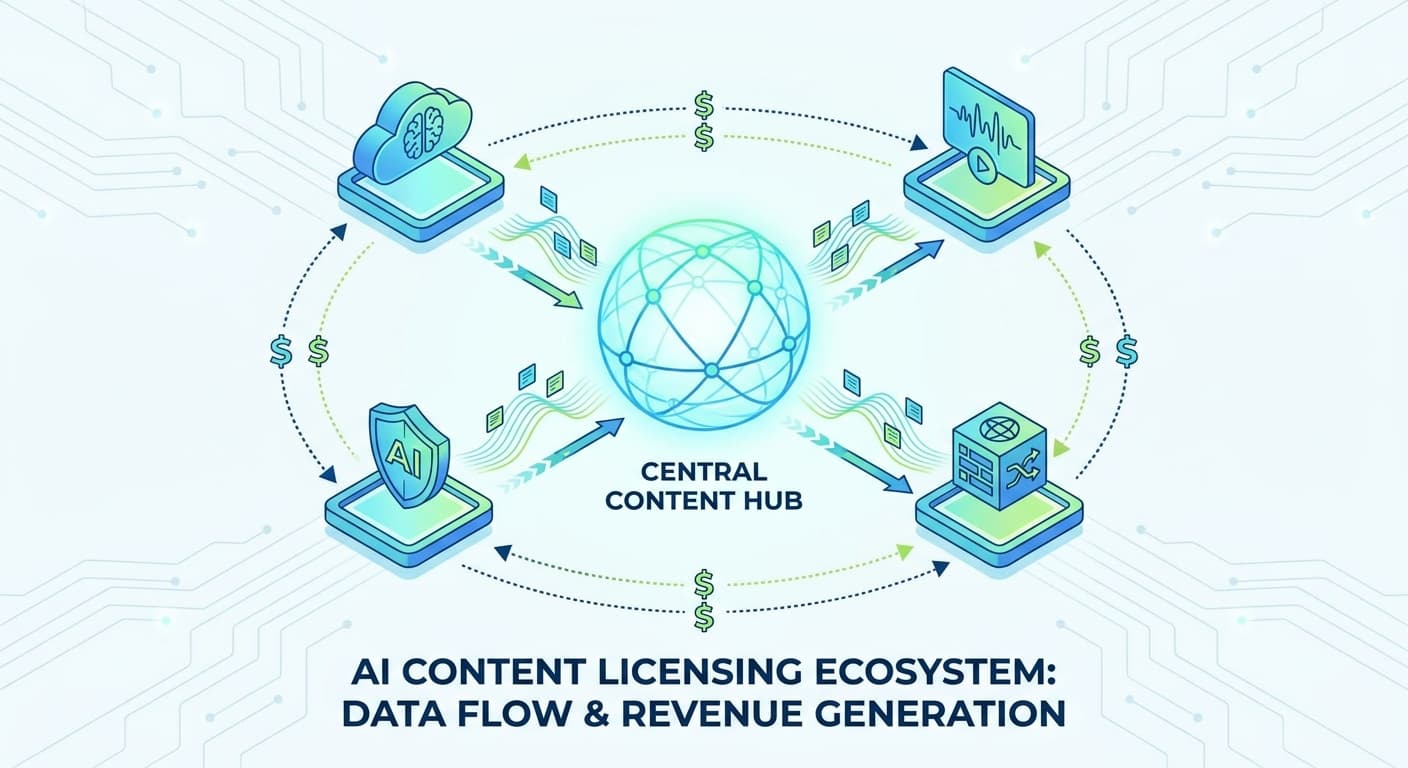
How to Build a Content Licensing Revenue Strategy When AI Search Engines Offer Direct Publisher Compensation Programs But Require Exclusive Training Data Rights
AI search engines are now paying publishers directly for content—but there's a catch. By 2025, major platforms like OpenAI, Google's Gemini, and Anthropic have launched compensation programs offering publishers up to $2 million annually for exclusive training data rights. The question isn't whether to participate, but how to build a sustainable licensing strategy that maximizes revenue without limiting your content's reach.
The New Reality of AI Content Compensation
The AI search landscape has fundamentally shifted in 2025-2026. With over 500 million weekly ChatGPT users and AI-powered search accounting for 35% of all online queries, AI companies are competing fiercely for high-quality training data. This has created unprecedented opportunities for content creators to monetize their work through direct licensing deals.
However, these programs often come with exclusive rights requirements, meaning your content can only train one AI system. For publishers who've spent years building organic visibility across multiple platforms, this presents a complex strategic challenge.
Understanding the Compensation Landscape
Current Market Rates and Programs
As of early 2026, here's what major AI platforms are offering:
What Exclusive Rights Really Mean
Exclusive training data rights typically include:
Building Your Content Licensing Strategy
1. Audit Your Content Portfolio
Before entering any licensing agreement, conduct a comprehensive content audit:
High-Value Content Categories:
Content Performance Metrics:
2. Develop a Portfolio Approach
Rather than putting all content under one exclusive agreement, consider segmenting:
Tier 1: Premium Exclusive Content (20%)
Tier 2: Semi-Exclusive Content (30%)
Tier 3: Open Distribution Content (50%)
3. Negotiate Strategic Contract Terms
Revenue Structure:
Content Control:
Performance Guarantees:
Maximizing Revenue While Maintaining Visibility
Strategic Content Distribution
The key to successful content licensing lies in strategic distribution that maximizes both licensing revenue and organic visibility:
Platform-Specific Content Creation:
Content Refresh and Updates:
Measuring Success Across Revenue Streams
Licensing Revenue Metrics:
Visibility and Brand Metrics:
Tools like Citescope Ai become invaluable here, helping you track citations across multiple AI platforms while optimizing your non-exclusive content for maximum visibility. This data helps you negotiate better licensing terms by demonstrating content performance.
Common Pitfalls and How to Avoid Them
Over-Exclusivity Risk
The Problem: Licensing too much content exclusively to one platform limits overall visibility and puts all revenue eggs in one basket.
The Solution: Maintain a balanced portfolio with clear content segmentation. Never license more than 30% of your core content exclusively to any single platform.
Undervaluing Your Content
The Problem: Accepting initial offers without understanding your content's true value in AI training.
The Solution: Use citation tracking data to demonstrate content value. Platforms that frequently cite your content are likely to pay premium rates for exclusive access.
Ignoring Attribution Rights
The Problem: Allowing AI platforms to use your content without proper attribution damages your brand building efforts.
The Solution: Always negotiate for clear attribution requirements in AI responses that cite your licensed content.
Future-Proofing Your Strategy
Emerging Trends to Watch
AI Citation Commerce: By late 2026, expect AI platforms to share revenue from premium subscriptions based on content citation rates.
Dynamic Licensing: More flexible agreements that adjust payments based on real-time content performance and usage.
Content Authenticity Verification: Blockchain-based systems for verifying content ownership and licensing agreements.
Adapting to Rapid Change
The AI search landscape evolves rapidly. Build flexibility into your licensing strategy:
How Citescope Ai Helps
Managing a multi-platform content licensing strategy requires sophisticated tracking and optimization. Citescope Ai's Citation Tracker monitors when your content gets cited across ChatGPT, Perplexity, Claude, and Gemini, giving you the performance data needed to:
The platform's GEO Score also helps you optimize content across all five dimensions that AI engines value, ensuring your non-exclusive content maintains strong visibility even as you pursue licensing opportunities.
Ready to Optimize for AI Search?
Building a successful content licensing strategy while maintaining broad AI visibility requires the right tools and insights. Citescope Ai helps content creators track citations, optimize for AI search engines, and make data-driven licensing decisions. Start with our free tier to track your first 3 content optimizations and see which AI platforms are already citing your work. Start your free trial today and turn your AI visibility into licensing revenue.