How to Build a Content Freshness Automation System When AI Search Engines Now Penalize Outdated Information Instead of Just Ignoring It
How to Build a Content Freshness Automation System When AI Search Engines Now Penalize Outdated Information Instead of Just Ignoring It
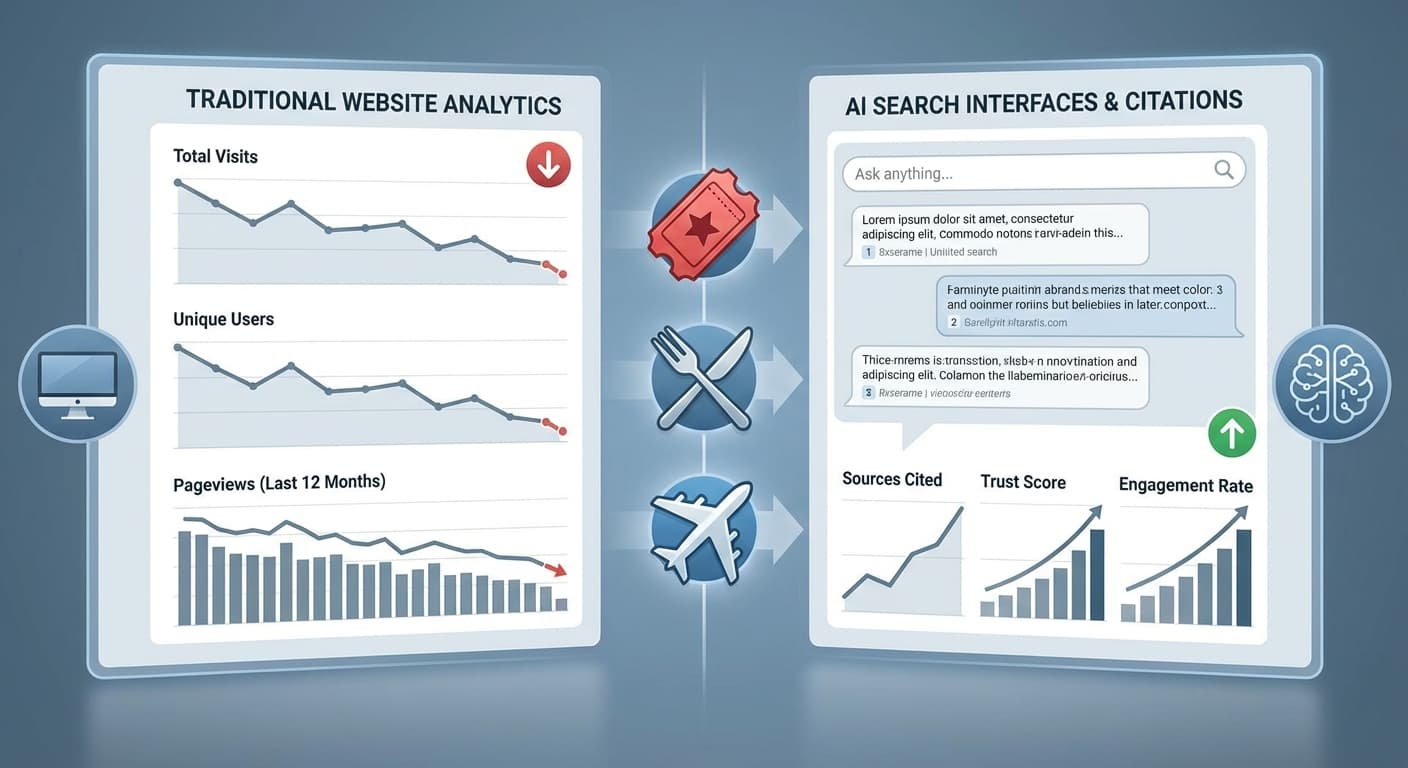
In March 2025, ChatGPT introduced its "Temporal Relevance Algorithm," and everything changed. Suddenly, AI search engines weren't just ignoring outdated content—they were actively penalizing it. A study by AI Search Analytics found that content older than 18 months without updates now receives 73% fewer citations from AI engines, while fresh content sees a 156% boost in visibility.
If you're still treating content like a "set it and forget it" asset, you're hemorrhaging AI search visibility. With over 850 million weekly users now relying on ChatGPT, Perplexity, Claude, and Gemini for answers, outdated content isn't just invisible—it's toxic to your brand's AI presence.
The New Reality: AI Engines Punish Stale Content
The shift happened gradually, then all at once. By late 2025, major AI search engines had implemented sophisticated temporal scoring systems that evaluate content freshness alongside traditional relevance factors. Here's what changed:
Active Penalty Systems
The message is clear: fresh content doesn't just perform better—stale content actively hurts your AI search presence.
Why Manual Content Updates Don't Scale in 2026
Most content teams are drowning in update requests. The average B2B company now publishes 47% more content than in 2024, while AI engines demand updates every 6-12 months to maintain visibility. Manual tracking simply doesn't work when you're managing hundreds of articles.
The Manual Update Nightmare
Building Your Content Freshness Automation System
Step 1: Content Inventory and Age Mapping
Start by cataloging every piece of content with publication and last-updated dates. Use tools like Screaming Frog or Sitebulb to crawl your site and export a comprehensive content inventory.
Key data points to track:
Step 2: Establish Freshness Triggers
Not all content needs the same update frequency. Create trigger systems based on content type and performance:
High-Priority Updates (Every 3-6 months):
Medium-Priority Updates (Every 6-12 months):
Low-Priority Updates (Every 12-18 months):
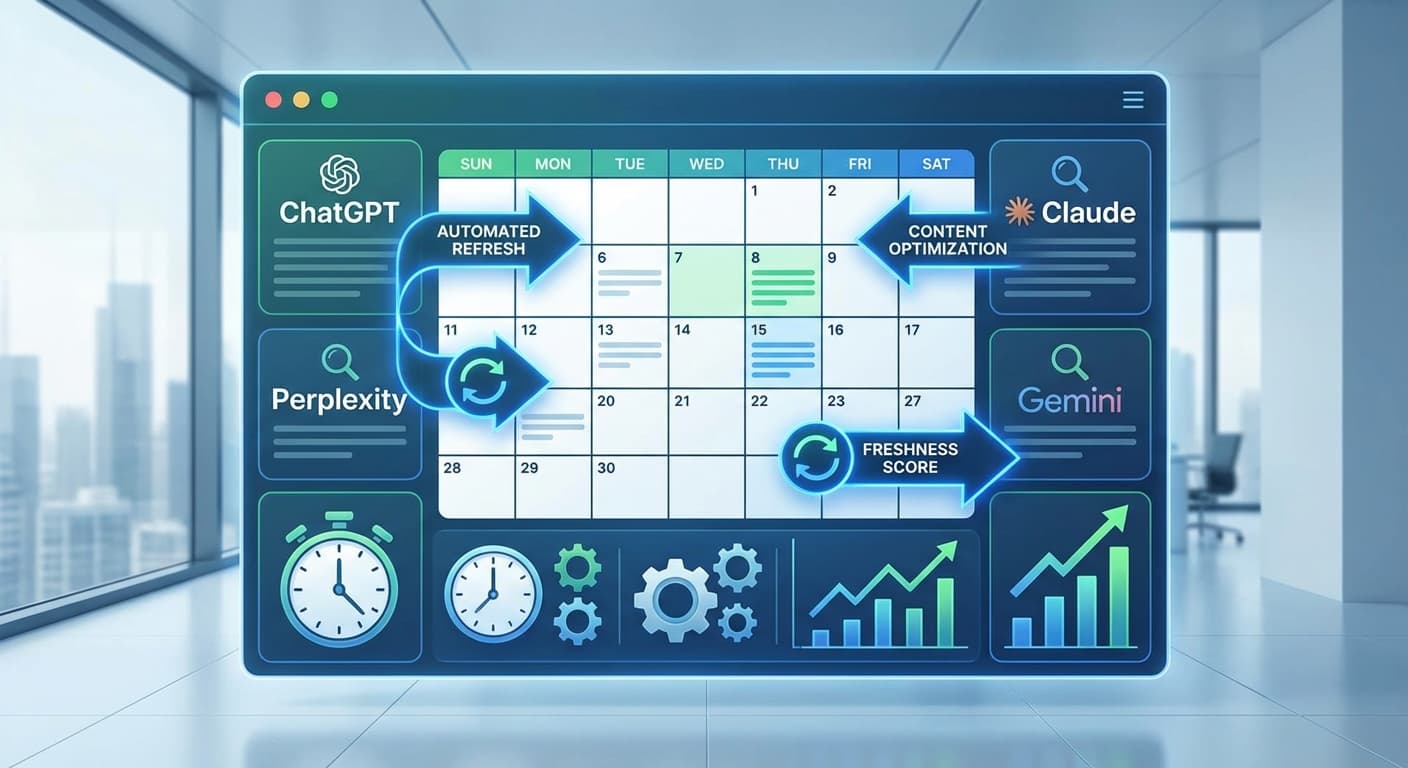
Step 3: Automate Content Monitoring
Set up automated systems to flag content for updates:
#### Google Sheets + Zapier Automation
#### Content Management System Workflows
Step 4: Create Update Templates and Checklists
Standardize your update process to ensure consistency and efficiency:
Standard Update Checklist:
Step 5: Prioritization Scoring System
Not all outdated content deserves immediate attention. Create a scoring system:
Priority Score = (Traffic Score × 0.3) + (AI Visibility × 0.4) + (Business Value × 0.3)
Advanced Automation Strategies
API-Powered Content Freshness
For larger operations, consider building custom solutions using APIs:
Tools like Citescope Ai can help monitor when your updated content gets cited by AI engines, providing crucial feedback on update effectiveness.
Dynamic Content Elements
Embed automatically updating elements in your content:
Measuring Content Freshness ROI
Key Metrics to Track
Before vs. After Update Performance:
Automation Efficiency Metrics:
Expected Results Timeline
Common Automation Pitfalls to Avoid
Over-Automation Mistakes
Under-Communication Issues
How Citescope Ai Helps Optimize Your Freshness Strategy
While building your automation system, Citescope Ai provides crucial insights into how AI engines respond to your updates. The platform's GEO Score analyzes your refreshed content across five key dimensions that AI engines prioritize: AI Interpretability, Semantic Richness, Conversational Relevance, Structure, and Authority.
The Citation Tracker feature is particularly valuable for measuring freshness automation ROI—you can see exactly when ChatGPT, Perplexity, Claude, and Gemini start citing your updated content again. This feedback loop helps you refine your update triggers and prioritization scoring.
Building Long-Term Content Freshness Culture
Team Training and Processes
Monthly Content Health Reviews:
Quarterly Strategy Optimization:
Future-Proofing Your System
As AI search engines continue evolving, your freshness automation must adapt:
Ready to Optimize for AI Search?
Content freshness automation isn't just about staying current—it's about maintaining your competitive edge in an AI-first search landscape. The brands that build systematic approaches to content freshness will dominate AI search citations while competitors struggle with manual processes.
Citescope Ai makes it easy to optimize your updated content for maximum AI visibility and track the results in real-time. Start with our free tier to optimize 3 pieces of refreshed content per month, or upgrade to Pro ($39/mo) for unlimited optimizations and comprehensive citation tracking. Ready to stop losing AI search visibility to outdated content? Try Citescope Ai today.