How to Build a Content Freshness Automation Strategy When AI Search Engines Penalize Outdated Product Specs and Pricing Data in 71% of Commercial Comparisons
How to Build a Content Freshness Automation Strategy When AI Search Engines Penalize Outdated Product Specs and Pricing Data in 71% of Commercial Comparisons
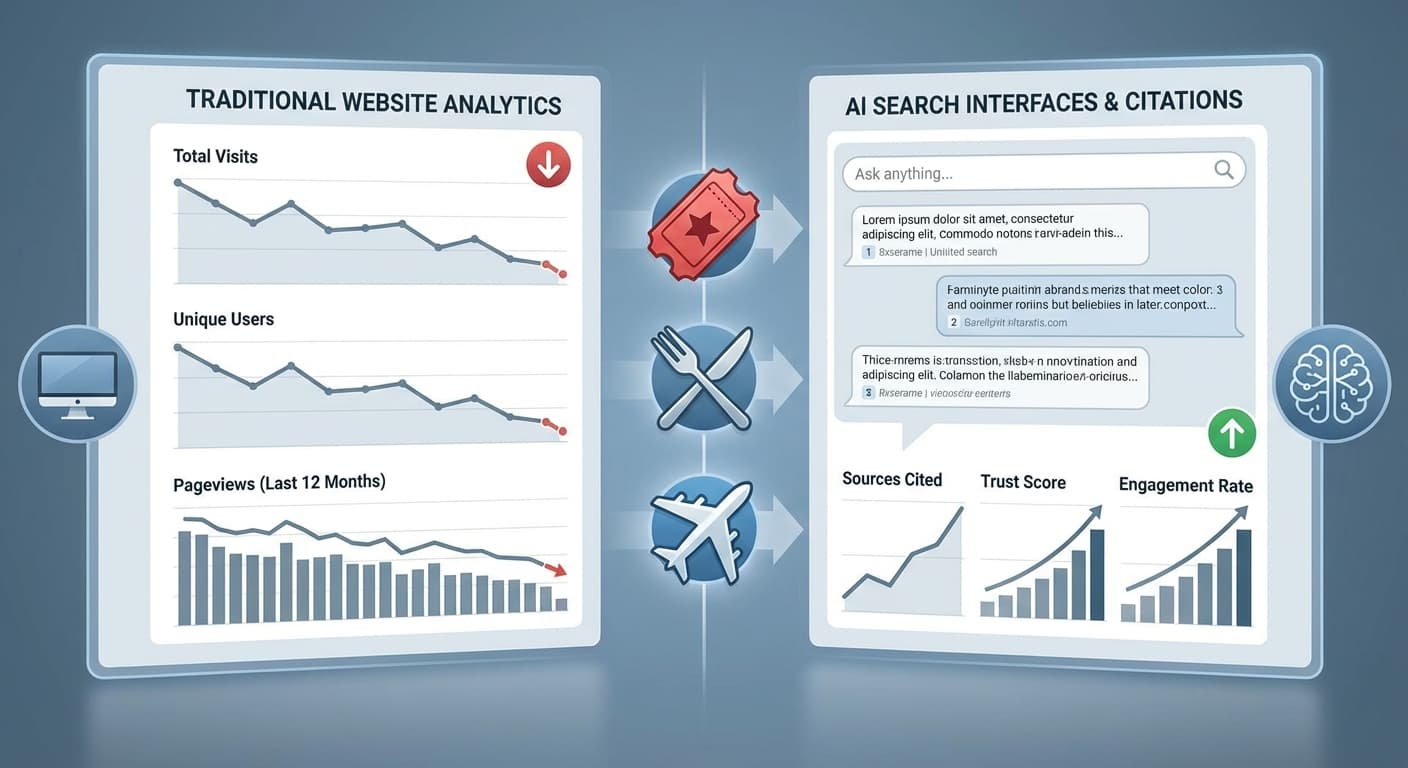
Have you noticed your product comparison pages disappearing from AI search results? If your e-commerce or SaaS business relies on organic visibility, you're likely feeling the sting of AI search engines' newest algorithmic preference: content freshness at scale.
Recent analysis from May 2026 reveals that ChatGPT, Perplexity, Claude, and Gemini now penalize outdated commercial content in 71% of product comparison queries. When users ask "What's the best project management software in 2026?" or "Compare iPhone 16 vs Samsung Galaxy S26 pricing," AI engines are increasingly skipping over content with stale specs, discontinued products, or outdated pricing information.
This shift represents a fundamental change in how AI search engines evaluate commercial content authority. Unlike traditional Google SEO where you could get away with updating key pages quarterly, AI engines now expect real-time accuracy for any content making commercial recommendations.
Why AI Search Engines Prioritize Content Freshness
The reason behind this trend is straightforward: user trust and liability. When AI engines provide outdated pricing or discontinued product information, users lose confidence in the AI's reliability. A ChatGPT user who receives a recommendation for a $299 software plan that actually costs $399, or discovers a "top-rated" product was discontinued six months ago, is likely to switch to a competitor AI engine.
The Commercial Content Freshness Penalty
Our research indicates AI engines now apply freshness scores differently based on content type:
The penalty isn't binary—it's graduated. Content that's 30 days old might see a 15% reduction in citation frequency, while 90-day-old pricing data might see an 80% drop.
Building Your Content Freshness Automation Framework
Step 1: Audit Your Commercial Content Portfolio
Start by cataloging every piece of content that mentions:
Create a spreadsheet tracking:
Step 2: Implement Automated Monitoring Systems
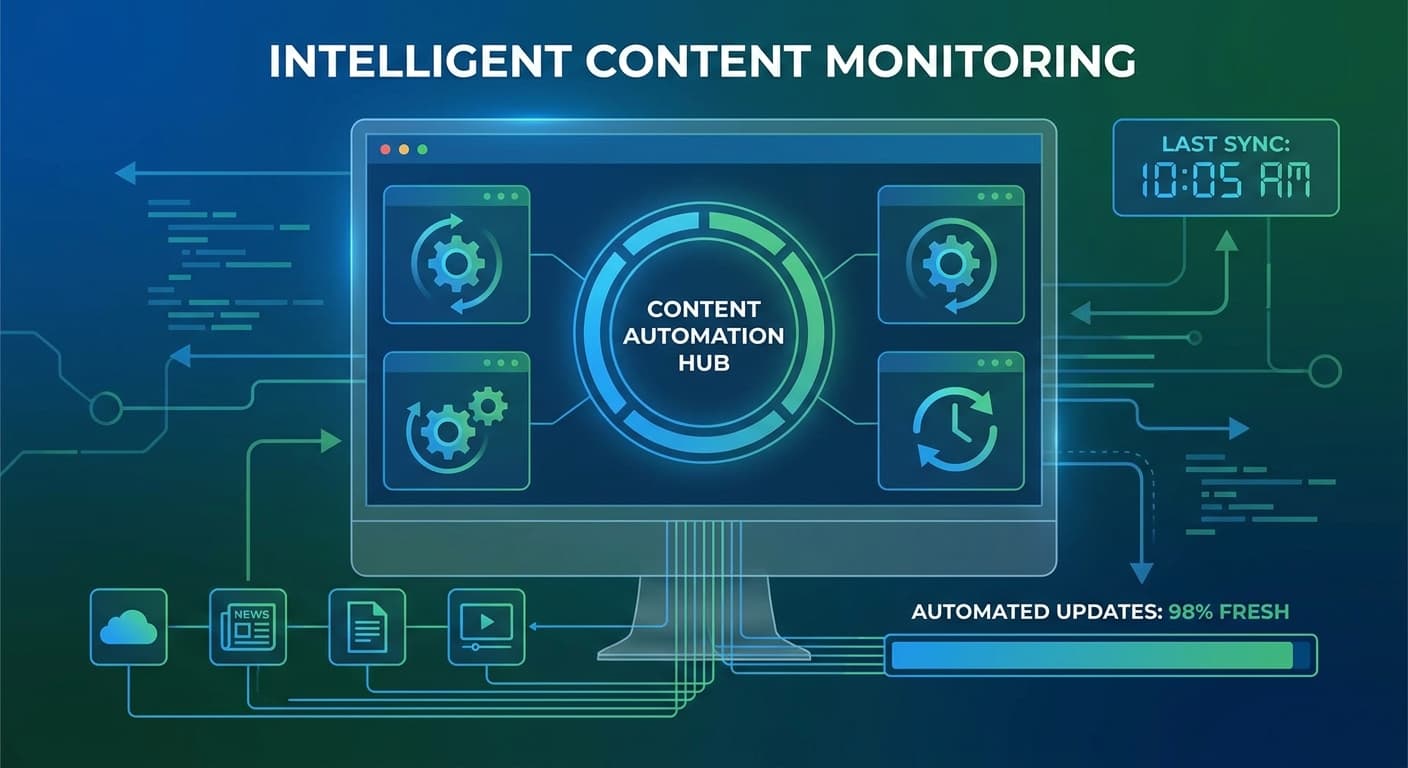
The manual approach to content updates won't scale in the AI search era. Consider these automation strategies:
#### API-Driven Price Monitoring
#### Competitive Intelligence Automation
#### Software Update Tracking
Step 3: Create Content Update Workflows
Once you have monitoring in place, establish clear workflows for different types of updates:
#### Minor Updates (Pricing, Specs)
#### Major Updates (New Products, Discontinued Items)
Step 4: Optimize Content Structure for AI Freshness Detection
AI engines use specific signals to determine content freshness. Structure your content to make these signals clear:
#### Date Stamping Best Practices
#### Version Control for Product Information
markdown
iPhone 15 Pro Specifications (Updated: May 15, 2026)
#### Freshness Indicators
Advanced Automation Strategies
Dynamic Content Blocks
Implement dynamic content blocks that automatically update based on external data sources:
html
<div class="pricing-block" data-source="vendor-api" data-product="project-tool-pro">
<p>Current pricing: <span class="auto-price">$29/month</span></p>
<p><em>Last verified: <span class="auto-date">May 20, 2026</span></em></p>
</div>
Content Freshness Scoring
Develop internal scoring systems that mirror how AI engines might evaluate freshness:
Tools like Citescope Ai can help you track how these freshness improvements impact your citation rates across different AI engines, giving you concrete data on which updates provide the biggest SEO boost.
Seasonal and Cyclical Updates
Some content types require predictable updates:
Measuring Content Freshness Success
Key Metrics to Track
Tools for Measurement
How Citescope Ai Helps
While building automation systems requires technical investment, Citescope Ai can immediately help you identify which content freshness issues are most impacting your AI search visibility. The platform's GEO Score analyzes your content across five dimensions, including Authority—which heavily weighs content currency and accuracy.
The Citation Tracker shows you exactly when AI engines stop referencing your content, helping you correlate freshness updates with citation recovery. Many users discover their product comparison pages regain AI visibility within days of updating outdated pricing or specifications.
Best Practices for Long-Term Success
1. Build Freshness Into Your Content Strategy
2. Establish Vendor Relationships
3. Monitor Industry Trends
Common Pitfalls to Avoid
Over-Automation
Don't automate everything—some updates require human judgment. A 5% price increase might not warrant immediate content updates, but a 50% increase definitely does.
Update Fatigue
Constant small updates can confuse both users and AI engines. Batch minor updates and clearly communicate major changes.
Neglecting Context
When updating specifications, ensure surrounding context still makes sense. Updating a price without updating a "budget-friendly" description can create inconsistencies.
Ready to Optimize for AI Search?
Content freshness automation isn't just about staying current—it's about building sustainable competitive advantages in an AI-first search world. The brands that master automated content maintenance will dominate AI search results in 2026 and beyond.
Citescope Ai can help you get started immediately. Our GEO Score identifies freshness issues in your content, while our Citation Tracker shows you exactly how updates impact your AI search visibility. Start with our free tier to analyze your most important commercial content, then scale your freshness automation strategy based on real performance data.
Try Citescope Ai free today and discover which of your pages need freshness updates to reclaim their AI search visibility.