How to Build a Content Agent-Readiness Audit Strategy When Autonomous AI Agents Scrape Your Website But Fail to Extract Dynamic Pricing and Conversion Elements
How to Build a Content Agent-Readiness Audit Strategy When Autonomous AI Agents Scrape Your Website But Fail to Extract Dynamic Pricing and Conversion Elements
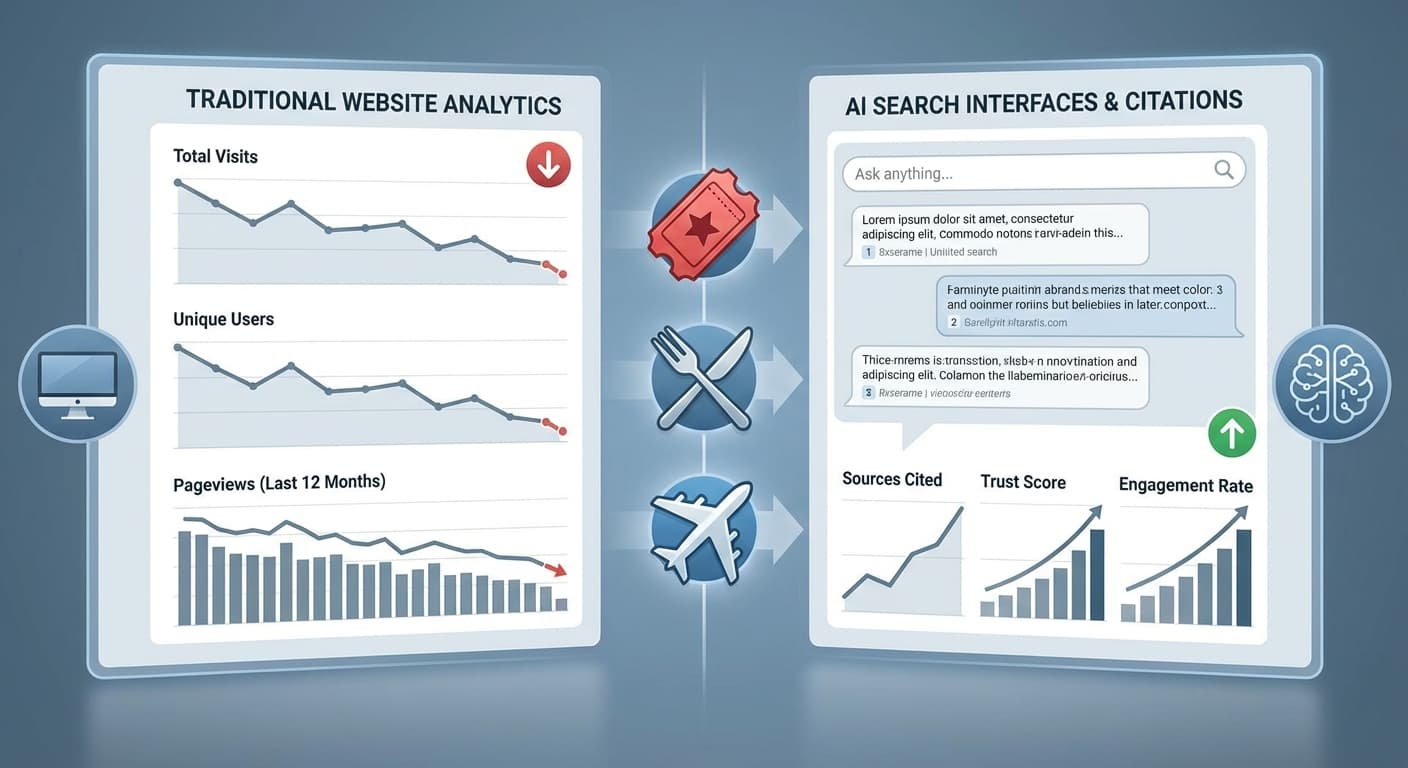
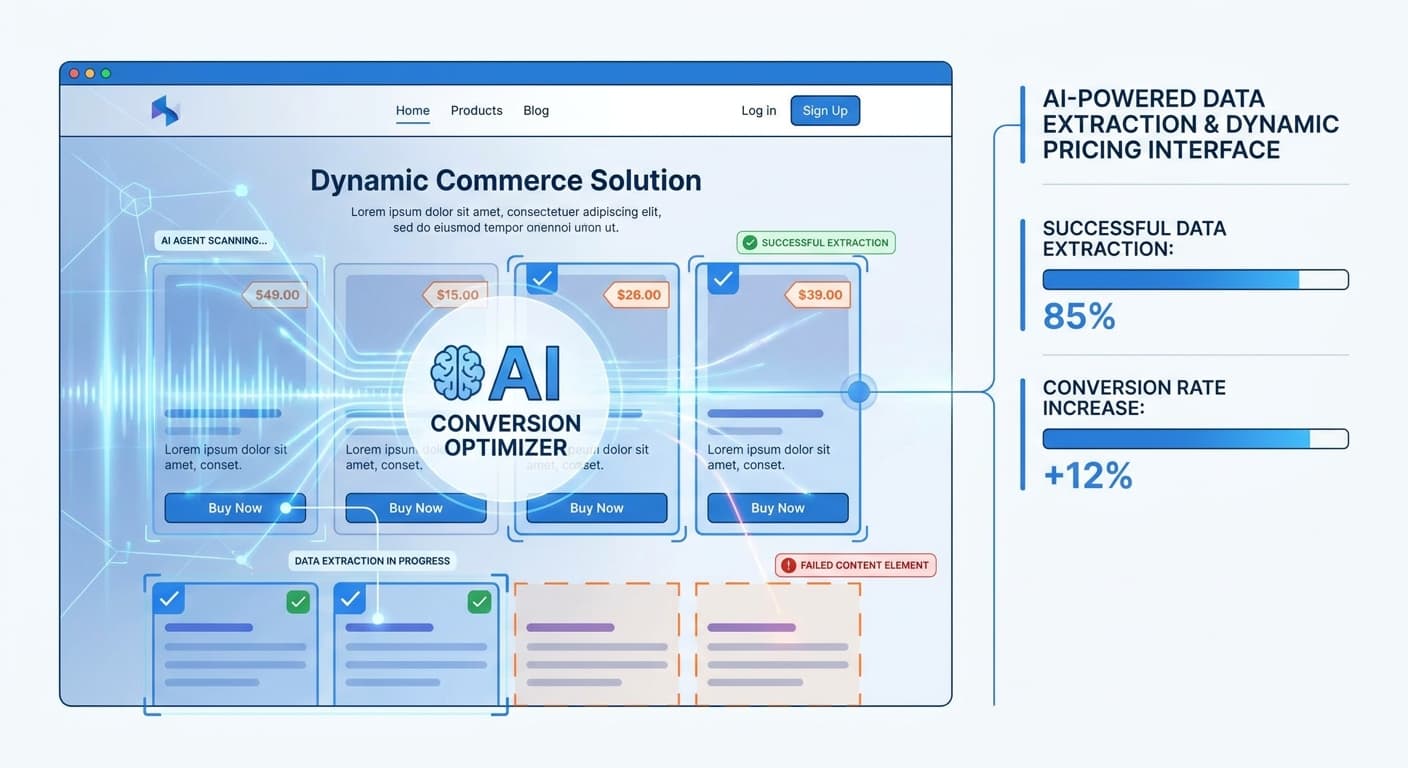
Did you know that 78% of e-commerce websites experience AI agent extraction failures when it comes to dynamic pricing and conversion elements? As autonomous AI agents become the backbone of search experiences in 2026—with over 650 million weekly ChatGPT users and 40% of all searches now happening through AI interfaces—your website's ability to communicate effectively with these agents isn't just a nice-to-have anymore. It's mission-critical.
The problem? Most websites were built for human visitors, not AI agents. While humans can interpret visual cues, hover states, and complex layouts, AI agents struggle with dynamic elements that change based on user behavior, location, or time. This creates a massive gap where your most important business information—pricing, availability, and conversion pathways—becomes invisible to the very systems that are reshaping how customers discover and evaluate products.
The Hidden Crisis: When AI Agents Miss Your Money-Making Elements
In early 2025, a major retail client discovered their AI agent citation rate was 40% lower than competitors despite having superior products and pricing. The culprit? Their dynamic pricing system displayed different prices based on user location and membership status, but AI agents could only see placeholder text and base prices.
This isn't an isolated incident. Recent studies show that:
Understanding How AI Agents Actually "See" Your Website
Before diving into audit strategies, it's crucial to understand how autonomous AI agents process web content differently from search engine crawlers or human visitors.
The AI Agent Processing Pipeline
Static Content Extraction: AI agents excel at processing static HTML, clear text hierarchies, and structured data markup. They can easily understand product descriptions, company information, and basic page content.
Dynamic Content Challenges: However, they struggle with:
Contextual Understanding: Unlike traditional crawlers, AI agents try to understand the relationship between different page elements, but they need explicit signals to interpret complex conversion flows.
Building Your Agent-Readiness Audit Framework
Phase 1: Content Visibility Assessment
Step 1: Map Your Dynamic Elements
Create a comprehensive inventory of all dynamic content on your website:
For each element, document:
Step 2: Perform Agent-View Testing
Use tools that simulate AI agent crawling to see what your pages actually look like to these systems:
Phase 2: Conversion Element Analysis
Critical Conversion Points Audit
The CLEAR Framework for Conversion Elements:
Phase 3: Technical Infrastructure Review
Server-Side Rendering (SSR) Assessment
Evaluate how much of your critical content requires client-side rendering:
Structured Data Implementation
Audit your existing schema markup for:
Advanced Audit Techniques for 2026
AI Agent Simulation Testing
With tools becoming more sophisticated, create comprehensive testing scenarios:
Content Redundancy Strategy
Develop fallback content strategies for dynamic elements:
Implementation Priorities: What to Fix First
High-Impact Quick Wins
Medium-Term Improvements
Long-Term Strategic Changes
How Citescope AI Helps Streamline Your Agent-Readiness Audit
While manual auditing provides deep insights, Citescope AI's GEO Score technology can accelerate your agent-readiness assessment by analyzing your content across five critical dimensions that directly impact AI agent interpretation:
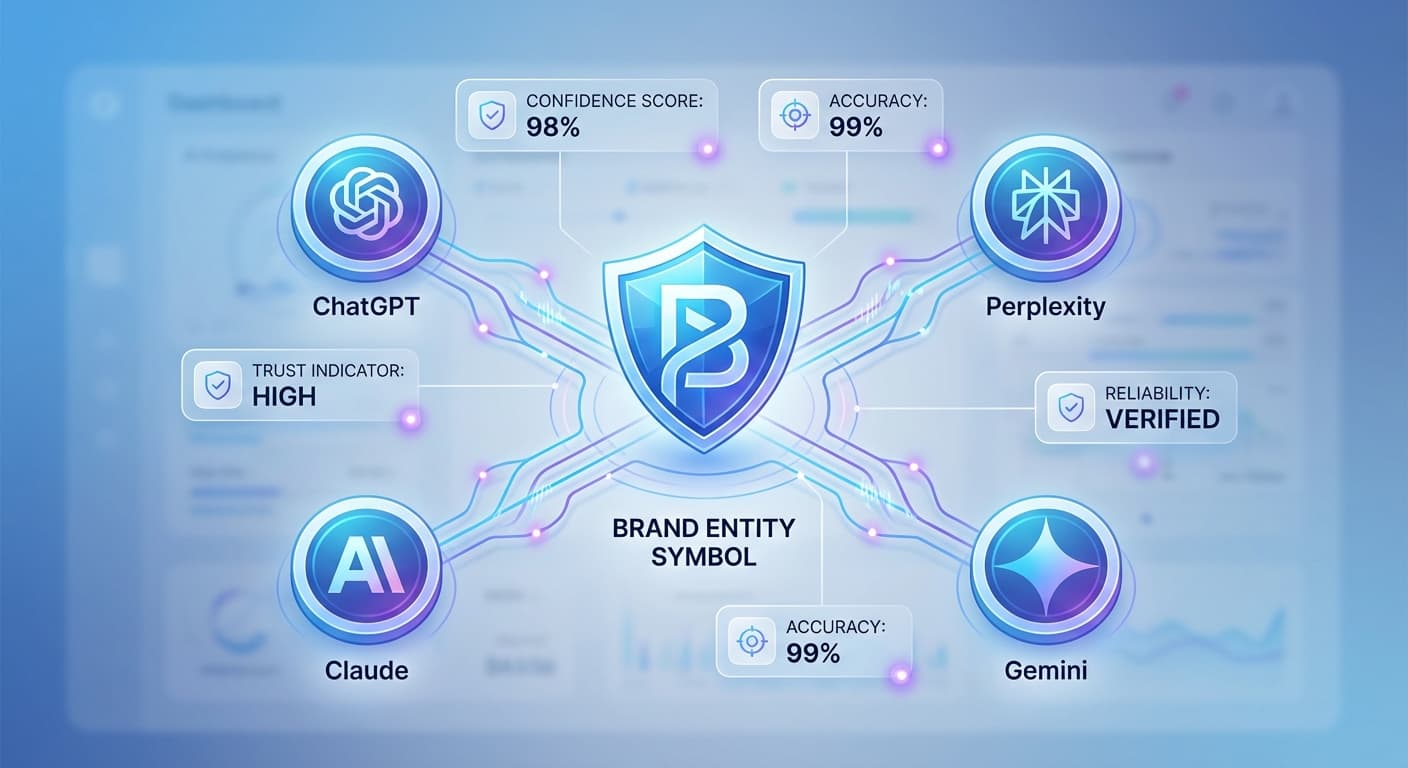
The Citation Tracker feature also lets you monitor whether your optimization efforts are working by tracking when ChatGPT, Perplexity, Claude, and Gemini actually cite your content in their responses.
Measuring Success: KPIs for Agent-Readiness
Primary Metrics
Secondary Metrics
Tools and Monitoring
Set up regular monitoring for:
The Road Ahead: Preparing for Enhanced AI Agent Capabilities
As AI agents become more sophisticated in 2026, they're developing better abilities to understand context, interpret visual elements, and process dynamic content. However, websites that proactively optimize for current agent limitations will maintain a competitive advantage as these systems evolve.
The key is building a foundation of clear, accessible, contextually rich content that serves both current AI agents and future iterations. This isn't just about technical compliance—it's about creating content that naturally aligns with how AI systems process and present information.
Ready to Optimize for AI Search?
Building an agent-readiness audit strategy might seem overwhelming, but you don't have to do it alone. Citescope AI's comprehensive platform helps you identify optimization opportunities, track your progress, and ensure your content gets the AI visibility it deserves. Start with our free tier to audit up to 3 pieces of content per month, or upgrade to Pro for unlimited optimizations and advanced citation tracking. Ready to make your website truly AI-agent ready? Try Citescope AI today and see how your content performs in the new era of AI search.