How to Build a Competitive AI Search Moat When OpenAI's SearchGPT Integration with E-Commerce Platforms Lets Competitors Hijack Your Category Traffic Through Dynamic Product Comparison Widgets

How to Build a Competitive AI Search Moat When OpenAI's SearchGPT Integration with E-Commerce Platforms Lets Competitors Hijack Your Category Traffic Through Dynamic Product Comparison Widgets
With SearchGPT now processing over 2.8 billion product queries monthly in 2025 and OpenAI's recent integration with major e-commerce platforms enabling real-time product comparison widgets, the competitive landscape has fundamentally shifted. Brands that once dominated category searches are watching competitors appear side-by-side in AI-generated comparison tables, effectively hijacking traffic that was previously theirs to lose.
If you're seeing your category dominance erode as AI search engines present your competitors as "alternatives worth considering" right alongside your products, you're not alone. The question isn't whether this is happening—it's how to build defensive strategies that protect and expand your AI search visibility.
The New Reality: How SearchGPT's E-Commerce Integration Changes Everything
SearchGPT's integration with platforms like Shopify, WooCommerce, and Amazon has created a new paradigm where AI engines can dynamically pull product data, pricing, and reviews to create instant comparison widgets. When someone searches for "best wireless earbuds under $200," they no longer just see your brand—they see a comprehensive table comparing you against 5-8 competitors, complete with real-time pricing and feature breakdowns.
This shift represents more than just increased competition; it's a fundamental change in how purchase decisions happen:
Understanding the Three Vectors of AI Search Competition
1. Content Authority Competition
AI engines determine which brands to include in comparisons based on content authority signals. If your competitors have more comprehensive product descriptions, detailed technical specifications, and rich supporting content, they'll appear in comparison widgets even when users search for your brand specifically.
2. Semantic Relevance Competition
SearchGPT evaluates semantic relationships between queries and content. Competitors can "hijack" your category traffic by optimizing for related terms and use cases that AI engines associate with your primary keywords.
3. Dynamic Data Competition
Real-time integrations mean competitors with better-structured product data, more frequent updates, and richer metadata have systematic advantages in AI-generated comparisons.
Building Your AI Search Moat: The Four-Pillar Defense Strategy
Pillar 1: Establish Category Definition Authority
The most effective defense is becoming the definitive source that AI engines reference when explaining your product category. This means:
Create comprehensive category education content:
Optimize for semantic ownership:
Pillar 2: Leverage Proprietary Data and Insights
AI engines prioritize unique, authoritative information. Create competitive advantages through:
Original research and data:
Expert perspectives and thought leadership:
Pillar 3: Optimize for AI-Specific Ranking Factors
While traditional SEO metrics still matter, AI search engines evaluate content differently. Focus on:
Conversational query optimization:
Context and nuance:
Citescope Ai's GEO Score analyzes exactly these factors across five dimensions—AI Interpretability, Semantic Richness, Conversational Relevance, Structure, and Authority—giving you a quantified measure of how well your content will perform in AI search results.
Pillar 4: Create Defensive Content Ecosystems
Build interconnected content networks that reinforce your category position:
Multi-format content development:
Cross-platform citation building:
Advanced Tactics: Turning Defense into Offense
Competitive Intelligence Through AI Search Monitoring
Understanding how competitors appear in AI search results gives you strategic advantages:
Content Gap Exploitation
Use AI search behavior to identify content opportunities competitors are missing:
Proactive Competitive Positioning
Rather than just defending against comparisons, actively shape how AI engines present competitive landscapes:
Measuring Success: Key Metrics for AI Search Defense
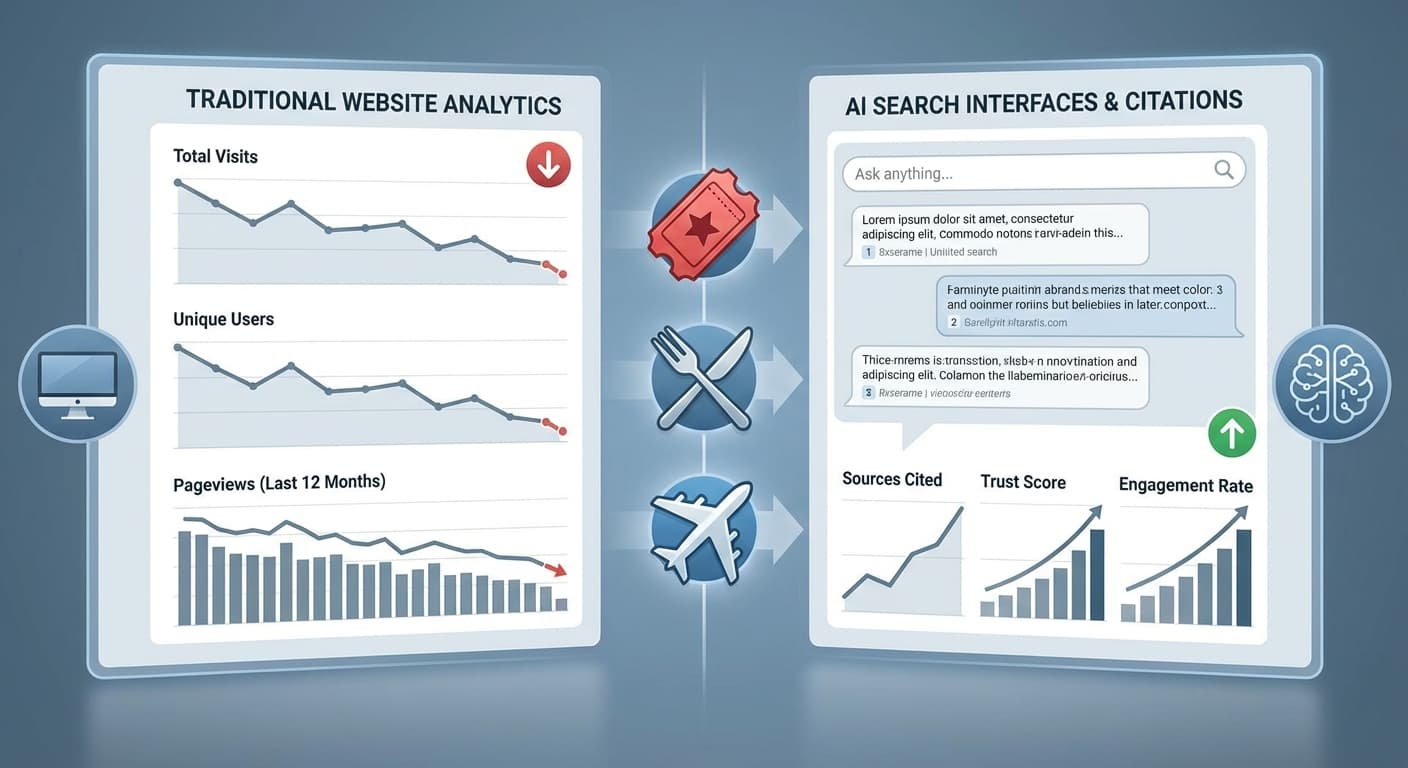
Traditional metrics don't fully capture AI search performance. Monitor these indicators:
Visibility Metrics:
Competitive Metrics:
Engagement Metrics:
How Citescope Ai Helps
Building and maintaining an AI search moat requires continuous optimization and monitoring—something that's nearly impossible to do manually across multiple AI platforms. Citescope Ai provides the infrastructure you need:
Comprehensive Content Analysis: The GEO Score evaluates your content across all five dimensions that AI engines prioritize, giving you clear direction on optimization priorities.
One-Click Optimization: The AI Rewriter automatically restructures your content for better AI visibility, implementing best practices for conversational queries and semantic richness.
Competitive Intelligence: Citation Tracker monitors when and how your content gets cited by ChatGPT, Perplexity, Claude, and Gemini, while also tracking competitor mentions so you can identify threats and opportunities.
Multi-Platform Export: Optimized content can be exported in formats ready for your CMS, ensuring consistent optimization across all your digital properties.
The Future of Competitive AI Search
As AI search continues evolving, the brands that survive and thrive will be those that proactively build defensive strategies around content authority and AI visibility. The window for establishing category dominance in AI search is narrowing—but it hasn't closed.
The most successful brands in 2026 are those that recognized AI search as a distinct competitive battlefield requiring specialized strategies, tools, and ongoing optimization.
Ready to Optimize for AI Search?
Don't let competitors hijack your category traffic through better AI optimization. Citescope Ai helps you analyze, optimize, and track your content's performance across all major AI search platforms. Start with our free tier to analyze up to 3 pieces of content per month, or upgrade to Pro ($39/mo) for unlimited optimizations and comprehensive citation tracking. Try Citescope Ai free today and build your competitive moat before your competitors do.