AI & SEO

How to Build a Brand Recognition Tracking Strategy When AI Search Engines Prioritize Entity Authority Over Page Rankings
May 22, 20267 min read
How to Build a Brand Recognition Tracking Strategy When AI Search Engines Prioritize Entity Authority Over Page Rankings

How to Build a Brand Recognition Tracking Strategy When AI Search Engines Prioritize Entity Authority Over Page Rankings

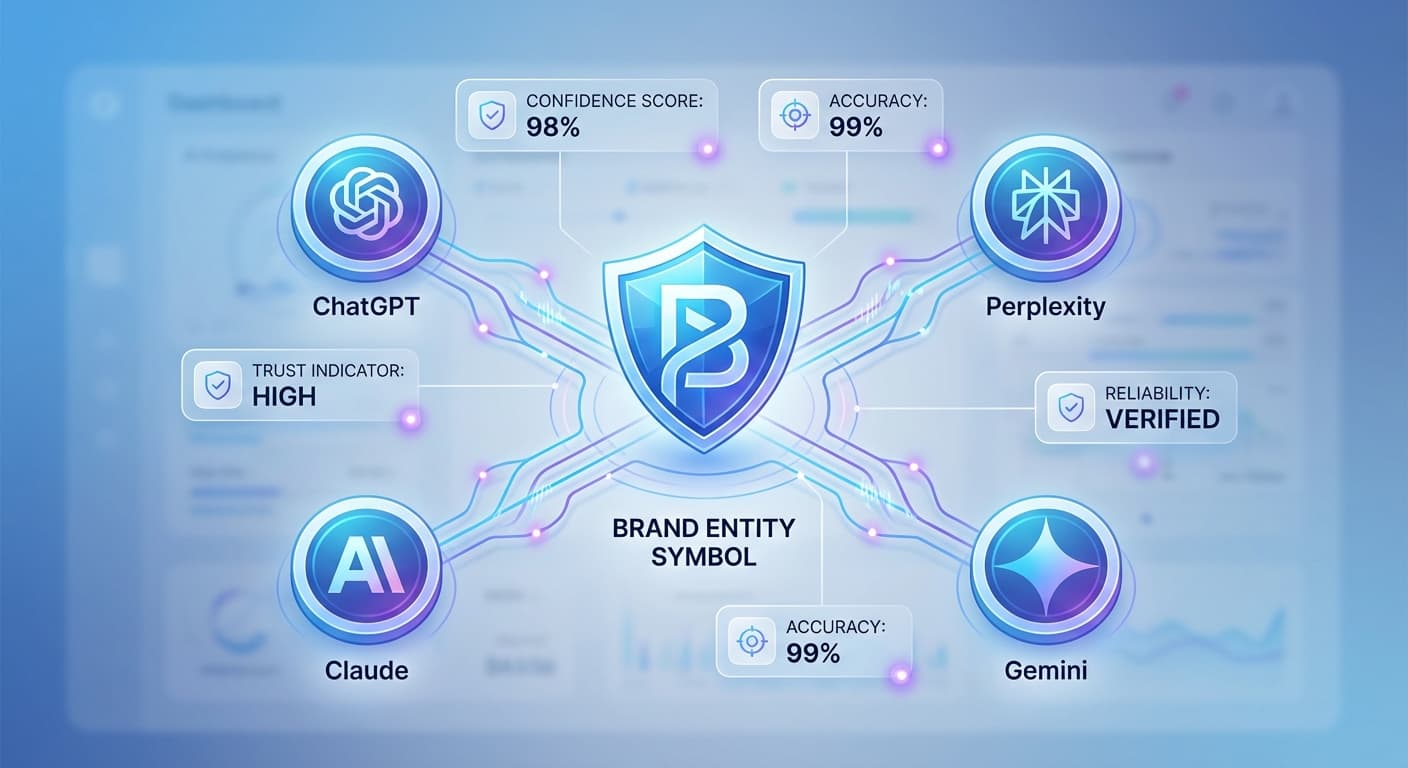
By 2026, AI search engines have fundamentally transformed how brands measure online visibility. While traditional analytics platforms still chase click-through rates and SERP positions, ChatGPT, Perplexity, Claude, and Gemini have shifted the game toward entity authority and brand recognition. With over 500 million weekly ChatGPT users and AI search accounting for 35% of all queries, the disconnect between what we measure and what actually matters has never been more critical.

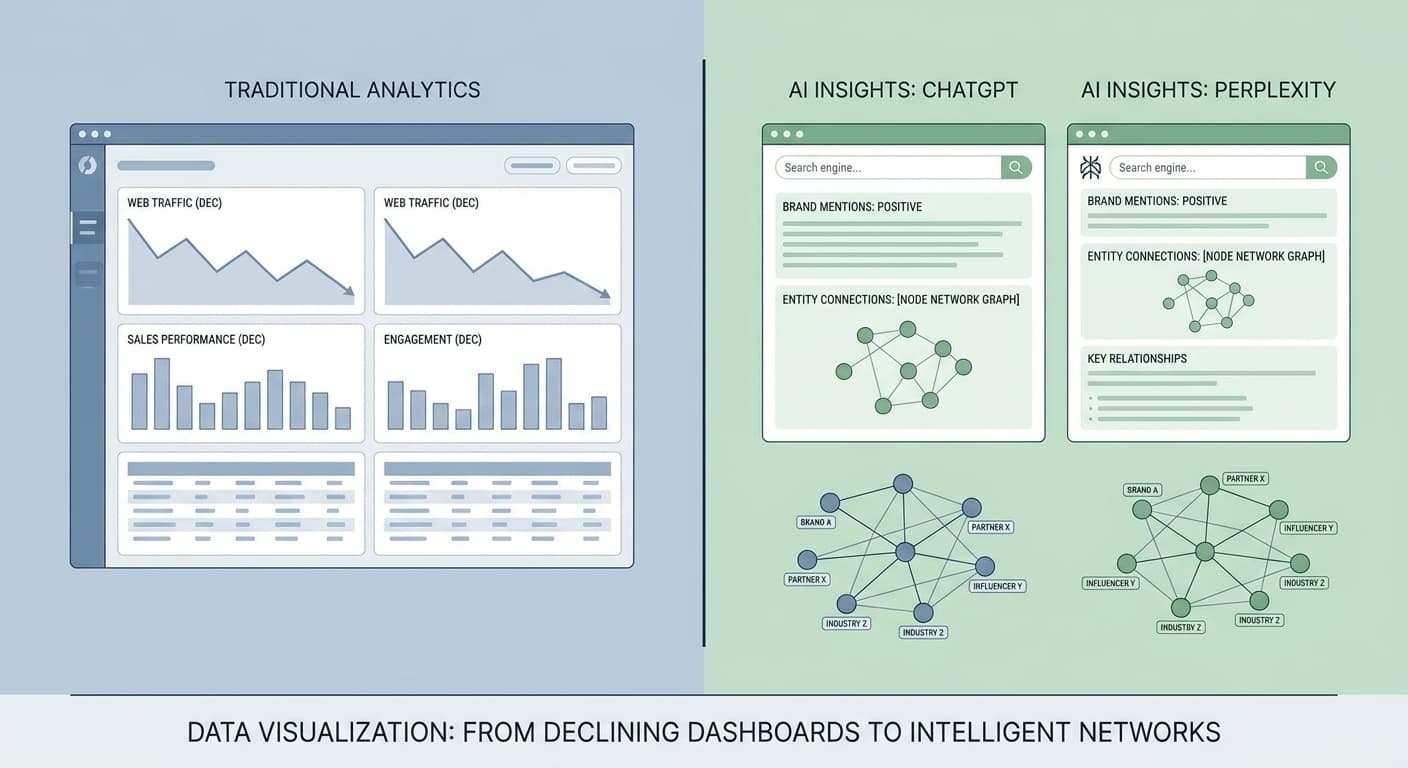
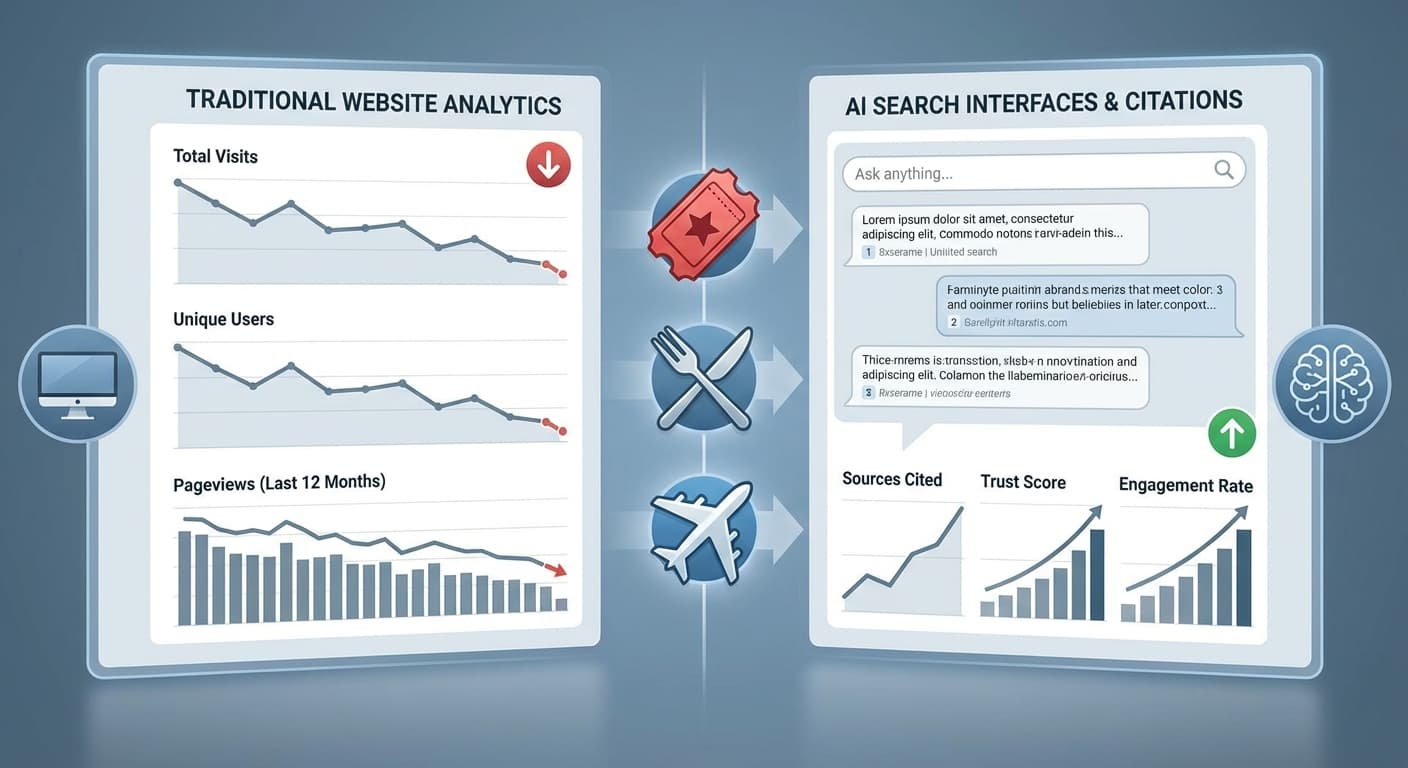
Here's the stark reality: 71% of analytics platforms still only track traditional metrics like clicks and rankings, while AI engines prioritize entity authority, brand mentions, and contextual relevance. This means most businesses are flying blind when it comes to understanding their true AI search visibility.

The New Reality of AI Search and Brand Recognition

AI search engines don't just crawl and rank pages—they understand entities, relationships, and context. When someone asks ChatGPT "What are the best project management tools for remote teams?" the AI doesn't simply return the highest-ranking pages. Instead, it synthesizes information from multiple sources and presents brands based on:

  • Entity authority: How often your brand is mentioned as an authority in your niche

  • Contextual relevance: Whether your brand appears in relevant contexts across the web

  • Citation quality: The credibility of sources that mention your brand

  • Relationship mapping: How your brand connects to other entities in your industry
  • Why Traditional Metrics Fall Short

    Traditional SEO metrics were designed for a world where users clicked through to websites. But AI search fundamentally changes user behavior:

  • Direct answers: Users get answers without clicking through (zero-click searches now represent 65% of all queries)

  • Synthesis over ranking: AI engines combine information from multiple sources

  • Brand awareness over traffic: Being mentioned and cited matters more than being clicked
  • Building Your AI-First Brand Recognition Strategy

    1. Map Your Entity Authority Landscape

    Start by understanding how AI engines perceive your brand entity:

    Conduct Entity Audits:

  • Search for your brand name + industry keywords across AI platforms

  • Document when and how your brand appears in AI responses

  • Identify gaps where competitors appear but you don't

  • Track the context in which your brand is mentioned
  • Monitor Competitor Entity Strength:

  • Analyze which competitors appear most frequently in AI responses

  • Study the types of queries that trigger competitor mentions

  • Identify the sources AI engines cite when mentioning competitors
  • 2. Track Citation Patterns Across AI Platforms

    Unlike traditional backlinks, AI citations are about being referenced in conversational contexts:

    Key Citation Metrics to Track:

  • Frequency of brand mentions in AI responses

  • Sentiment of mentions (positive, neutral, negative)

  • Context categories (product recommendations, industry expertise, etc.)

  • Source diversity (how many different sources cite you)
  • Platform-Specific Tracking:

  • ChatGPT: Often pulls from recent, authoritative sources

  • Perplexity: Emphasizes real-time information and diverse perspectives

  • Claude: Focuses on nuanced, contextual understanding

  • Gemini: Integrates heavily with Google's knowledge graph
  • 3. Develop Entity-Focused Content Strategy

    Create Authority-Building Content:

  • Develop comprehensive guides that establish topical authority

  • Create content that other sites naturally want to reference

  • Build relationships with industry publications for guest content

  • Maintain consistent brand messaging across all touchpoints
  • Optimize for Conversational Queries:

  • Answer questions your audience actually asks AI engines

  • Use natural language patterns in your content

  • Create FAQ sections that mirror AI conversation flows

  • Structure content to be easily digestible by AI systems
  • 4. Implement Multi-Platform Monitoring

    Since AI engines draw from different data sources, your monitoring needs to be comprehensive:

    Direct AI Platform Monitoring:

  • Regular queries across ChatGPT, Perplexity, Claude, and Gemini

  • Tracking branded vs. non-branded query results

  • Monitoring industry-specific question patterns
  • Source Content Tracking:

  • Monitor mentions across news sites, industry blogs, and forums

  • Track social media conversations and their potential AI impact

  • Analyze podcast transcripts and video content for brand mentions
  • Advanced Brand Recognition Metrics for the AI Era

    Entity Visibility Score

    Create a composite metric that tracks:

  • Mention frequency across AI platforms (weighted by platform usage)

  • Context relevance (how often you appear for your target topics)

  • Sentiment analysis of mentions

  • Citation source authority
  • Share of Voice in AI Responses

    Track what percentage of relevant AI responses include your brand compared to competitors:

  • Industry-specific query share

  • Product category representation

  • Expertise area dominance
  • AI Response Quality Index

    Measure not just frequency but quality of mentions:

  • Position in AI responses (first mentioned vs. buried)

  • Context accuracy (correct representation of your brand)

  • Call-to-action inclusion (whether AI suggests contacting you)
  • Case Study: How SaaS Company Doubled AI Visibility

    A mid-size project management software company noticed their traditional SEO metrics looked strong, but they were barely mentioned in AI search results. Here's how they turned it around:

    The Problem: Despite ranking #3 for "project management software," they appeared in less than 15% of relevant AI responses.

    The Solution:

  • Content Authority Building: Created 50+ comprehensive guides on project management topics

  • Industry Relationship Building: Secured mentions in 25+ industry publications

  • AI-Optimized FAQ Creation: Developed conversational content answering common user questions

  • Citation Tracking Implementation: Monitored mentions across all AI platforms weekly
  • The Results (6 months later):

  • 127% increase in AI search mentions

  • Appeared in 64% of relevant ChatGPT responses

  • 89% increase in brand awareness surveys

  • 34% increase in qualified leads (despite lower traditional click-through)
  • How Citescope Ai Helps Bridge the Analytics Gap

    While most analytics platforms still focus on outdated metrics, Citescope Ai was built specifically for the AI search era. Our Citation Tracker monitors when your content gets referenced by ChatGPT, Perplexity, Claude, and Gemini—giving you visibility into what traditional analytics miss.

    The platform's GEO Score analyzes your content across five critical dimensions that AI engines prioritize: AI Interpretability, Semantic Richness, Conversational Relevance, Structure, and Authority. This means you can optimize content specifically for entity recognition and citation potential, not just traditional rankings.

    Implementing Your Strategy: Action Steps

    Week 1: Assessment


  • Audit current AI search presence across platforms

  • Identify top 10 industry-relevant queries to track

  • Document baseline citation frequency
  • Week 2-4: Content Optimization


  • Implement conversational content formats

  • Create comprehensive topic authority pieces

  • Optimize existing content for AI interpretability
  • Month 2-3: Monitoring and Iteration


  • Set up systematic AI platform monitoring

  • Track citation patterns and adjust strategy

  • Build relationships for natural mention opportunities
  • Ongoing: Scale and Refine


  • Expand monitoring to new query categories

  • Analyze competitor citation strategies

  • Continuously optimize based on AI engine updates
  • The Future of Brand Recognition Measurement

    As AI search continues to evolve, expect these trends:

  • Real-time entity authority scoring based on live web mentions

  • Sentiment-weighted citation tracking that considers context quality

  • Cross-platform entity relationship mapping showing brand connection networks

  • Predictive citation modeling that forecasts mention potential
  • The brands that adapt their measurement strategy now will have a significant advantage as AI search becomes even more dominant.

    Ready to Optimize for AI Search?

    Traditional analytics are telling you only half the story. While your competitors focus on clicks and rankings, you can gain a competitive advantage by tracking what actually matters in the AI search era—entity authority and citation patterns.

    Citescope Ai's Citation Tracker shows you exactly when and how your content gets referenced by major AI engines, while our GEO Score helps you optimize for maximum AI visibility. Start with our free tier (3 optimizations per month) and see how AI engines really perceive your brand.
    Start tracking your AI citations for free →

    AI searchbrand recognitionentity authoritycitation trackinganalytics

    Track your AI visibility

    See how your content appears across ChatGPT, Perplexity, Claude, and more.

    Start for Free