How to Build a Brand Misrepresentation Recovery Strategy When AI Search Engines Generate Inaccurate Product Claims That Cost You 23% of High-Intent Conversions
How to Build a Brand Misrepresentation Recovery Strategy When AI Search Engines Generate Inaccurate Product Claims That Cost You 23% of High-Intent Conversions
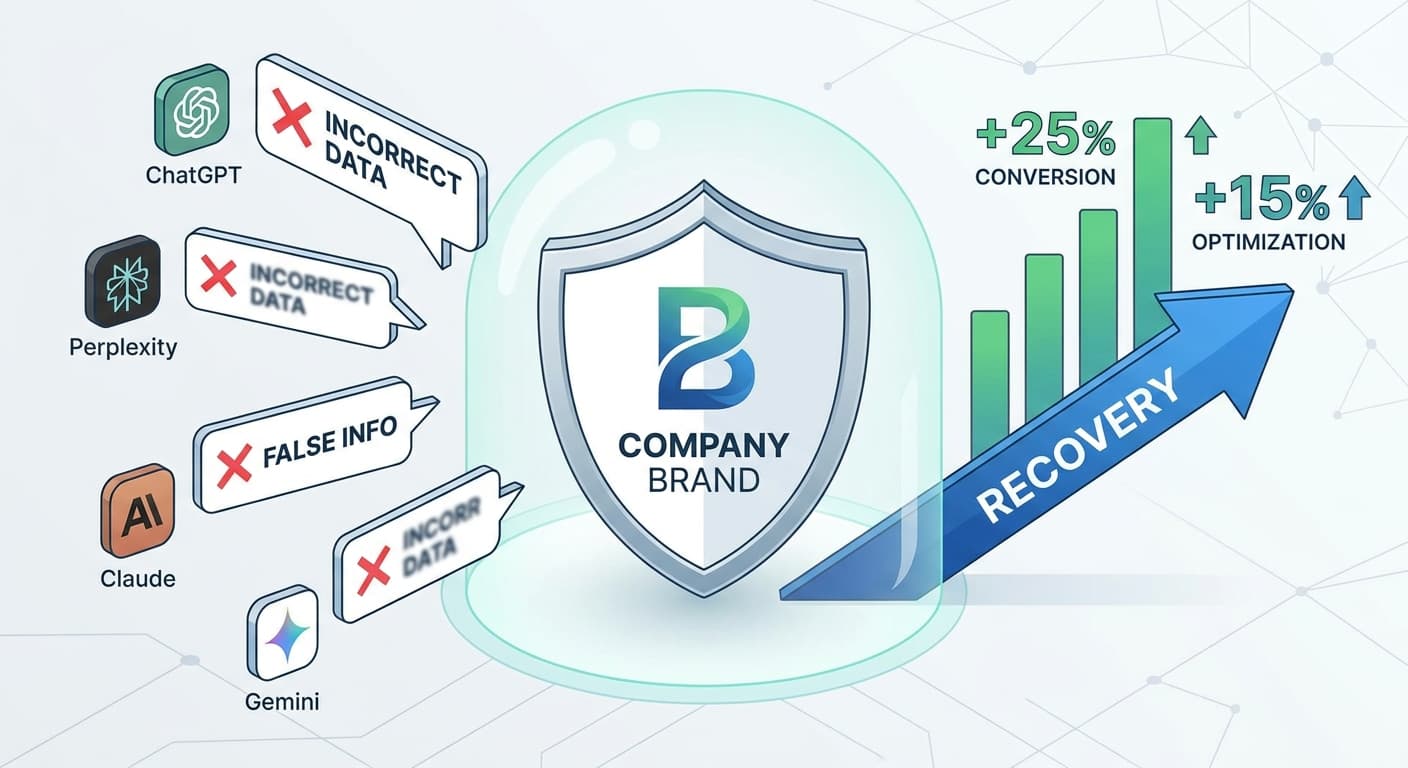
What happens when ChatGPT tells your potential customers that your premium software costs $500 when it actually costs $50? Or when Perplexity confidently states that your product doesn't support a key feature that's actually your biggest selling point?
With AI search now powering over 35% of all product research queries in 2026, brand misrepresentation by AI engines has become a critical business risk. Recent studies show that inaccurate AI-generated claims can reduce high-intent conversions by up to 23%, translating to millions in lost revenue for mid-market companies.
The Hidden Cost of AI Misrepresentation
AI search engines like ChatGPT, Perplexity, Claude, and Gemini process billions of queries daily, but they're not immune to errors. When these systems generate incorrect information about your brand, the consequences ripple through your entire sales funnel:
The challenge is that traditional SEO strategies don't directly address AI misrepresentation. You need a specialized recovery approach.
Understanding Why AI Engines Generate Inaccurate Claims
Before building your recovery strategy, it's crucial to understand the root causes of AI misrepresentation:
Outdated Training Data
Most AI models have knowledge cutoffs, meaning they may reference old pricing, discontinued features, or outdated company information. Even Claude and GPT-4's more recent training data can lag behind real-time business changes.
Conflicting Source Information
When multiple sources provide different information about your product, AI engines may average the data, pick the most recent source, or simply choose incorrectly. This is particularly problematic for:
Context Misinterpretation
AI systems sometimes struggle with nuanced business contexts, leading to statements like "Company X discontinued Product Y" when you actually just rebranded it.
Building Your Brand Misrepresentation Recovery Strategy
Phase 1: Detection and Monitoring
The first step is identifying when and where misrepresentation occurs. Set up comprehensive monitoring across all major AI platforms:
#### Automated Monitoring Setup
#### Key Metrics to Track
Phase 2: Content Authority Establishment
Once you've identified misrepresentation patterns, focus on establishing your content as the authoritative source:
#### Create AI-Optimized Fact Sheets
Develop comprehensive, structured documents that clearly state:
#### Implement Structured Data
Use schema markup extensively to help AI engines understand your content context:
#### Optimize for Citation
Structure your authoritative content to be highly citable by AI engines. This means:
Phase 3: Proactive Correction Campaigns
#### Direct Platform Engagement
While you can't directly edit AI responses, you can influence them:
#### Content Flooding Strategy
Create an abundance of accurate, recent content that AI engines are likely to encounter:
Phase 4: Recovery and Rebuilding
#### Customer Communication
When misrepresentation has already impacted your business:
#### Conversion Recovery Tactics
Advanced Recovery Techniques
Semantic Content Optimization
Move beyond keyword optimization to semantic richness that AI engines better understand:
Partnership and PR Strategy
Measuring Recovery Success
Track these KPIs to measure your strategy's effectiveness:
Short-term Metrics (30-90 days)
Long-term Metrics (6-12 months)
How Citescope Ai Helps
Building an effective brand misrepresentation recovery strategy requires constant monitoring and optimization across multiple AI platforms. Citescope Ai streamlines this process by providing:
Citation Tracking: Monitor exactly when and how your content gets cited by ChatGPT, Perplexity, Claude, and Gemini, making it easier to spot misrepresentations early.
GEO Score Analysis: Our proprietary scoring system evaluates your content across five dimensions crucial for AI visibility, helping you identify why certain information might be getting misinterpreted.
AI Rewriter: Quickly optimize your authoritative content for better AI comprehension, reducing the likelihood of misinterpretation.
Many brands using Citescope Ai report 40-60% improvements in AI citation accuracy within 90 days of implementing their strategies.
Ready to Protect Your Brand from AI Misrepresentation?
Don't let AI search engines cost you another 23% of your high-intent conversions. Start building your brand protection strategy today with Citescope Ai's comprehensive monitoring and optimization tools. Try our free tier to track your first AI citations and see exactly how your brand is being represented across major AI platforms.


