How to Break Into AI Conversational Memory: Winning Back Visibility When Competitors Dominate Multi-Turn Chat Sessions

How to Break Into AI Conversational Memory: Winning Back Visibility When Competitors Dominate Multi-Turn Chat Sessions
Here's a sobering reality check for content marketers in 2026: When your competitor's content gets cited early in a ChatGPT or Claude conversation, they don't just win that single query—they often dominate the entire multi-turn session. With AI search now accounting for over 35% of all search queries and the average AI conversation spanning 8-12 follow-up questions, losing that initial citation can lock you out of massive visibility opportunities.
The problem? AI models develop "conversational memory" that creates a reinforcement loop, continuously referencing the same sources throughout extended chat sessions. If you're not in that initial memory bank, breaking through becomes exponentially harder.
Understanding AI Conversational Memory in 2026
AI search engines like ChatGPT, Perplexity, and Claude don't treat each query in isolation anymore. They maintain context across conversations, creating what researchers call "semantic threads" that persist throughout sessions. When a user asks about digital marketing strategies, for example, and your competitor gets cited first, that same source is likely to be referenced again when they ask follow-up questions about implementation, metrics, or specific tactics.
This phenomenon has created a new competitive dynamic: thread dominance. Early 2026 data from leading AI research labs shows that sources cited in the first 2 responses of a conversation have a 73% chance of being referenced again in subsequent turns, compared to just 12% for sources introduced later in the thread.
Why Traditional SEO Strategies Fall Short
Content optimized for traditional search engines often struggles with AI conversational memory because:
The Conversational Breakout Strategy: 5 Proven Tactics
1. Create Conversation Pivot Content
Develop content specifically designed to capture conversations when they shift direction. Instead of targeting broad topics, focus on:
Example: If competitors dominate "email marketing strategy" threads, create content around "email marketing strategy for seasonal businesses" or "transitioning from social media to email marketing."
2. Implement Memory-Reset Triggers
Certain content formats naturally prompt AI models to refresh their source pool:
3. Master the Follow-Up Question Matrix
Analyze your competitors' content to identify what follow-up questions their content naturally generates, then create superior content that answers those exact questions.
Research Process:
4. Optimize for Conversational Handoffs
Structure your content to naturally become relevant when conversations evolve:
5. Leverage Temporal Advantages
AI models show preference for recent, relevant information. Create content that:
Advanced Techniques for Memory Disruption
The Context Shift Method
Position your content to be most relevant when users naturally shift conversational context:
The Authority Stack Approach
Build content that naturally accumulates authority signals AI models recognize:
Measuring Conversational Thread Performance
Track your success in breaking into AI conversational memory:
Key Metrics:
Monitoring Tools:
While most analytics tools focus on single-query performance, you need systems that track multi-turn conversations and citation patterns across extended AI interactions.
How Citescope Ai Helps Break Through Conversational Memory
Citescope Ai's GEO Score specifically analyzes your content's "Conversational Relevance"—one of the five key dimensions that determines AI citation success. The platform identifies opportunities where your content could break into competitor-dominated conversation threads by analyzing:
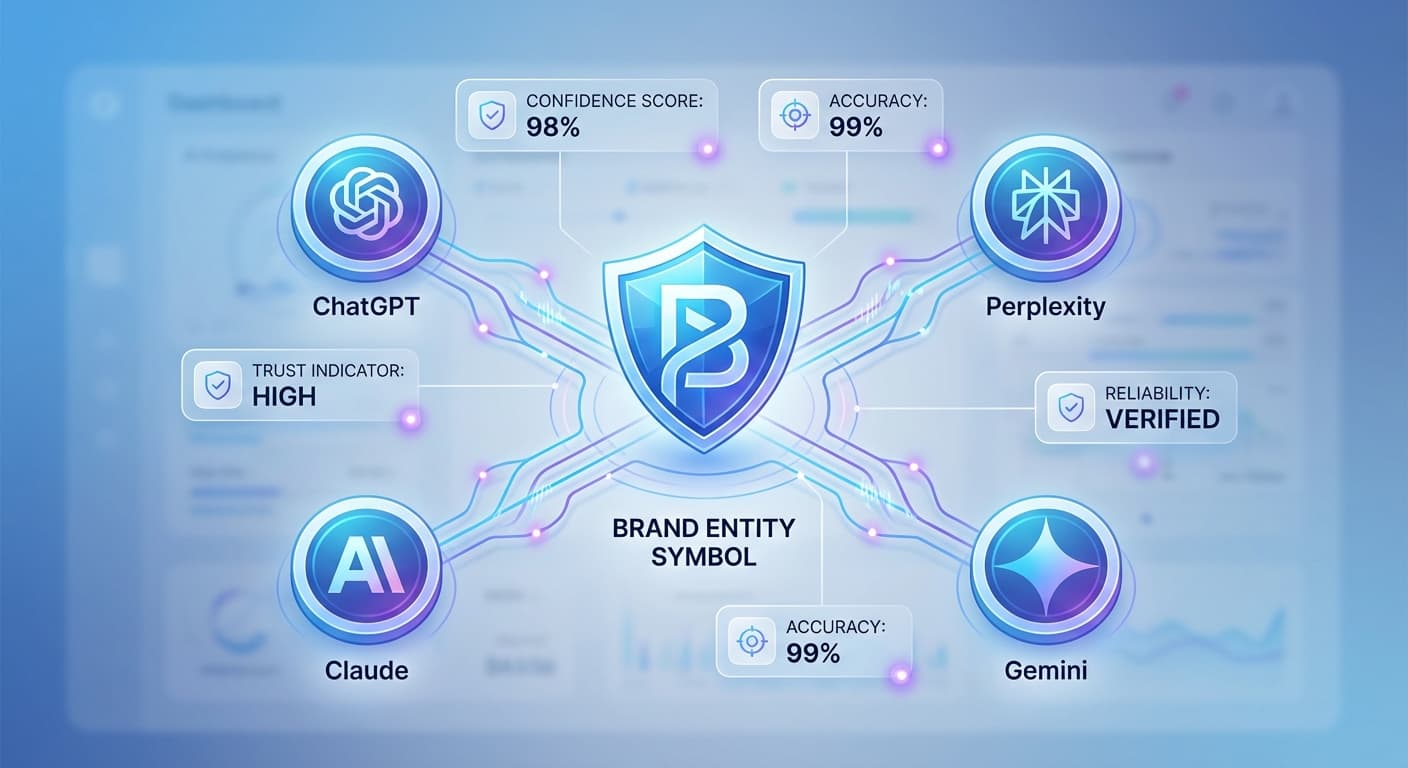
The AI Rewriter feature restructures your existing content to be more conversationally relevant, while the Citation Tracker helps you monitor when you successfully break into multi-turn conversations across ChatGPT, Perplexity, Claude, and Gemini.
Common Mistakes to Avoid
The Long-Term Strategy: Building Conversational Dominance
Successfully breaking into AI conversational memory isn't just about individual pieces of content—it's about creating an ecosystem of interconnected resources that become increasingly valuable as conversations develop.
Content Ecosystem Development:
Ready to Optimize for AI Search?
Breaking into competitor-dominated AI conversation threads requires more than traditional SEO tactics—it demands a deep understanding of how AI models maintain conversational memory and strategic content positioning at natural conversation pivot points.
Citescope Ai helps you identify exactly where and how to break through conversational memory barriers with its advanced GEO Score analysis and AI-powered content optimization. Start with our free tier to analyze your content's conversational relevance and discover untapped opportunities to capture AI citations when your competitors seem unbreachable.
Try Citescope Ai free today and turn conversational memory from your biggest challenge into your competitive advantage.