GEO Strategy

How to Audit Your Brand's AI Visibility: A Complete Guide to Cross-Platform Citation Tracking
March 13, 20266 min read
How to Audit Your Brand's AI Visibility: A Complete Guide to Cross-Platform Citation Tracking

How to Audit Your Brand's AI Visibility: A Complete Guide to Cross-Platform Citation Tracking

Did you know that citation behavior varies by up to 40% between AI search platforms, yet 73% of brands still can't track which AI engines are driving their revenue?

With AI search now accounting for over 35% of all queries in 2026, your brand's visibility across ChatGPT, Perplexity, Claude, and Google AI Overviews isn't just nice to have—it's essential for survival. Yet most businesses are flying blind, unable to track which AI platforms are actually converting prospects into customers.

The challenge? Each AI engine has dramatically different citation preferences, source weighting, and content interpretation methods. What works on ChatGPT might fall flat on Perplexity, and Google AI Overviews prioritize entirely different signals than Claude.

Here's how to conduct a comprehensive AI visibility audit that reveals exactly where your brand stands—and which platforms deserve your optimization efforts.

Why AI Citation Audits Are Critical in 2026

The AI search landscape has evolved rapidly. Recent studies show:

  • 68% of Gen Z now uses AI search engines as their primary research method

  • AI-generated responses influence 82% of B2B purchase decisions

  • Citation rates vary 40-60% between platforms for identical queries

  • Revenue attribution from AI search has grown 340% year-over-year
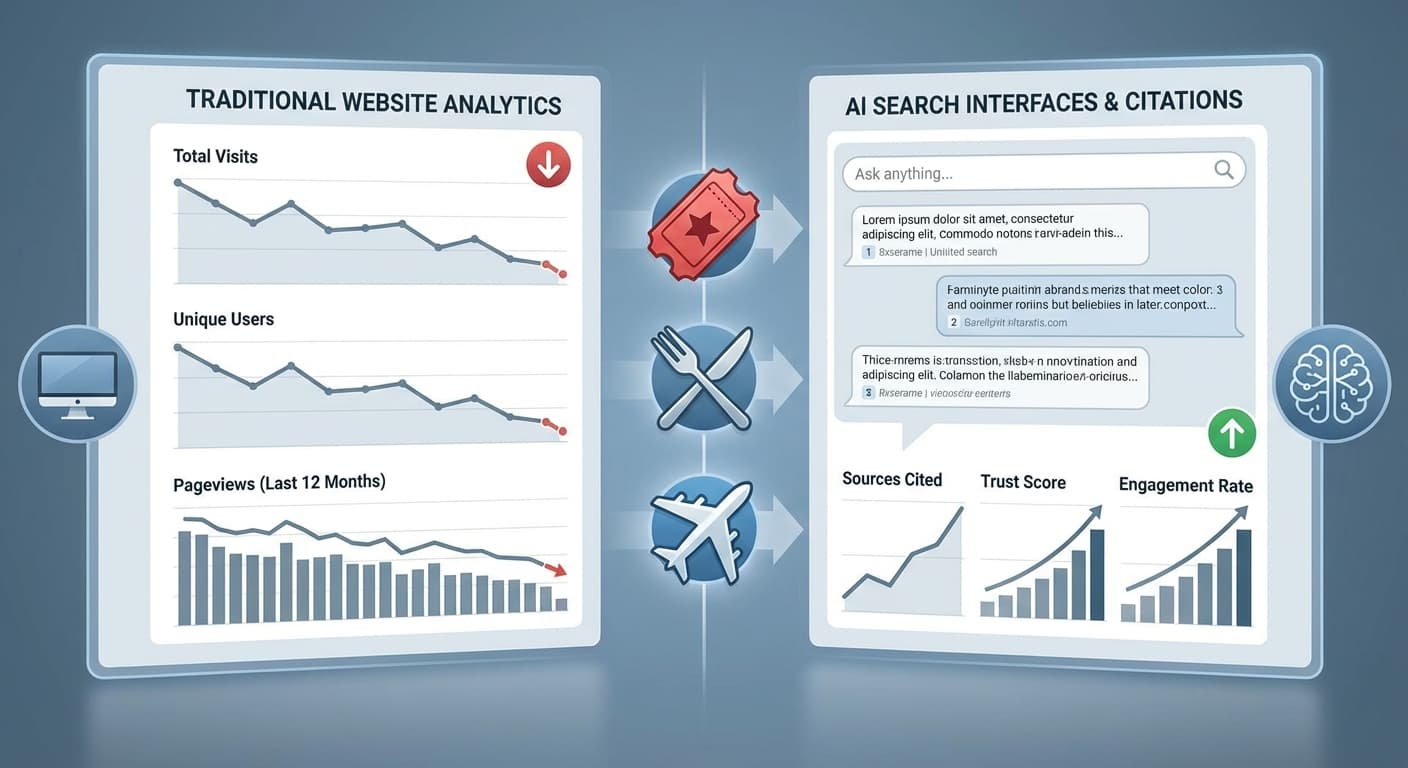
  • Yet despite these trends, most brands lack visibility into their AI search performance. They're optimizing content blindly, missing revenue opportunities, and potentially investing in the wrong platforms.

    The 5-Step AI Visibility Audit Framework

    Step 1: Map Your Core Query Universe

    Start by identifying the 20-30 queries most critical to your business. These should include:

  • Product/service searches: "best [your category]" or "[your service] for [use case]"

  • Problem-based queries: Questions your customers ask before they know you exist

  • Comparison searches: "[competitor] vs [your brand]" or "alternatives to [competitor]"

  • Educational queries: "how to" questions related to your expertise
  • Pro tip: Use your existing search console data, but expand beyond traditional keywords. AI users ask longer, more conversational questions.

    Step 2: Test Across All Major AI Platforms

    For each query, manually test across:

  • ChatGPT (GPT-4 and GPT-4o)

  • Perplexity (both Pro and standard)

  • Claude (Sonnet and Opus)

  • Google AI Overviews

  • Bing Chat (Copilot)

  • Gemini (Advanced)
  • Document:

  • Whether your brand is mentioned

  • Position of your mention (1st, 2nd, 3rd source, etc.)

  • Context of the citation (positive, neutral, competitive comparison)

  • Which specific pages/content pieces are cited
  • Step 3: Analyze Citation Patterns by Platform

    You'll likely discover significant variations:

    ChatGPT tends to favor:

  • Comprehensive, well-structured content

  • Recent publications with clear expertise signals

  • Content with strong topical authority
  • Perplexity prioritizes:

  • News articles and recent updates

  • Content with clear factual claims

  • Sources with strong domain authority
  • Google AI Overviews emphasize:

  • Content already ranking well in traditional search

  • Structured data and schema markup

  • E-E-A-T signals (Experience, Expertise, Authoritativeness, Trustworthiness)
  • Step 4: Benchmark Against Competitors

    For each platform, track:

  • Share of voice: What percentage of relevant queries feature your brand vs competitors?

  • Citation quality: Are you mentioned as a leader or an alternative?

  • Content gaps: Which topics do competitors dominate where you're absent?
  • Create a competitive matrix showing performance across platforms:

    | Platform | Your Brand | Competitor A | Competitor B | Opportunity Score |
    |----------|------------|--------------|--------------|-------------------|
    | ChatGPT | 15% | 35% | 25% | High |
    | Perplexity | 40% | 20% | 15% | Medium |
    | Google AI | 8% | 45% | 30% | Very High |

    Step 5: Connect to Revenue Attribution

    This is where most audits fail—they don't connect AI visibility to business outcomes. Track:

  • UTM parameters for AI-referred traffic (use ai-search, chatgpt, perplexity, etc.)

  • Conversion paths that include AI touchpoints

  • Brand search lift following AI mentions

  • Sales team feedback on prospects mentioning AI research
  • Advanced Audit Techniques

    Query Variation Testing

    Test slight variations of the same query to understand platform nuances:

  • "Best project management software" vs "What's the best project management tool?"

  • "How to choose CRM software" vs "CRM software selection guide"
  • Different platforms respond differently to query phrasing, revealing optimization opportunities.

    Temporal Analysis

    AI engines update their training data at different frequencies. Test the same queries:

  • Weekly for 4-6 weeks

  • At different times of day

  • Using different user contexts (if available)
  • This reveals consistency and helps identify trending opportunities.

    Intent-Based Segmentation

    Group your queries by user intent:

  • Informational: "What is [topic]?"

  • Comparative: "[Product A] vs [Product B]"

  • Transactional: "Best [product] to buy"

  • Navigational: "[Brand] pricing" or "[Brand] reviews"
  • Different platforms excel at different intent types.

    Red Flags to Watch For

  • Zero mentions across multiple platforms for core business queries

  • Negative context in AI responses (associated with problems, not solutions)

  • Outdated information being cited (old pricing, discontinued products)

  • Competitor dominance across all platforms for your key terms

  • Inconsistent brand representation (different descriptions, conflicting facts)
  • How Citescope Ai Streamlines This Process

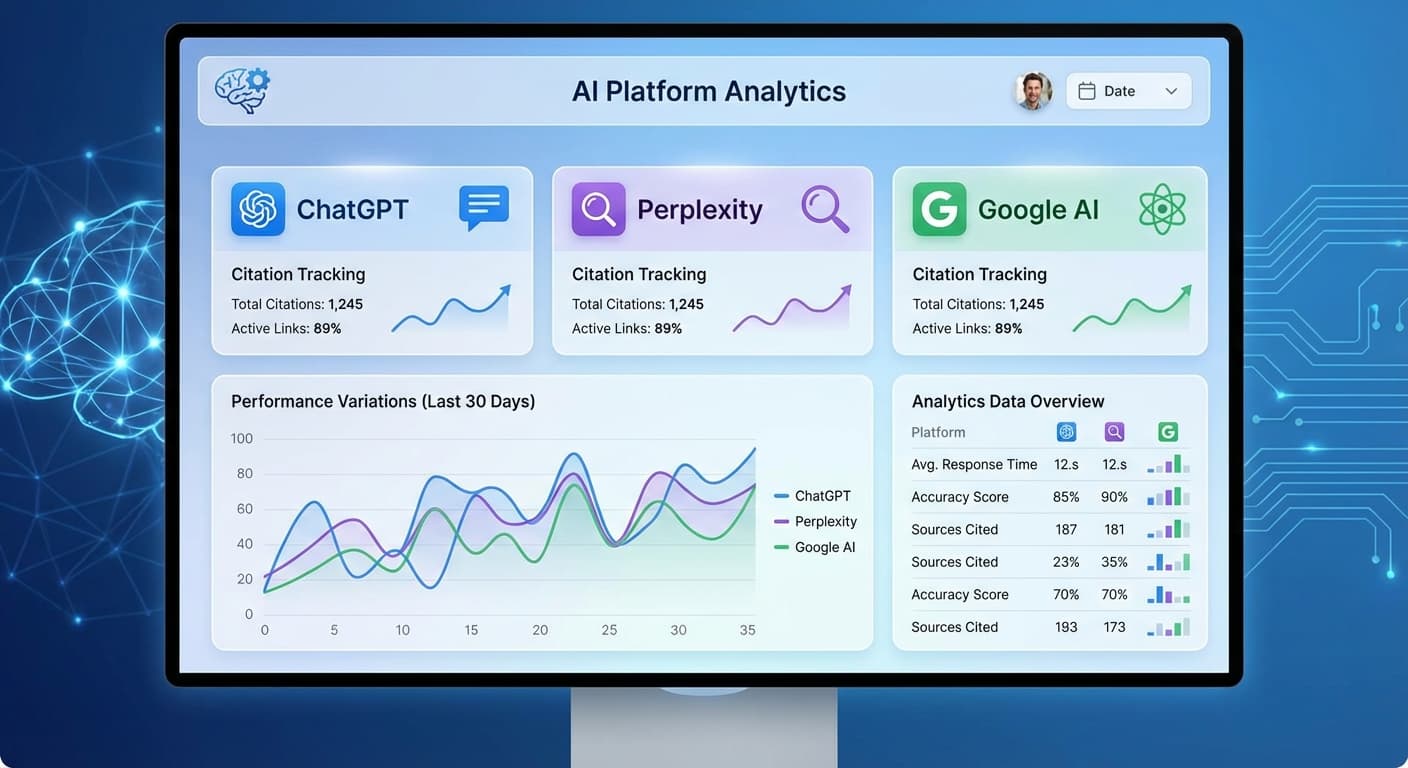
    While manual auditing provides valuable insights, it's time-intensive and difficult to scale. Citescope Ai automates the entire process:

  • Automated Query Testing: Monitor hundreds of queries across all major AI platforms simultaneously

  • Citation Tracking: Get real-time alerts when your brand is mentioned (or stops being mentioned)

  • Competitive Analysis: Track competitor citations and identify content gaps

  • GEO Score Analysis: Understand why certain content gets cited more frequently

  • Revenue Attribution: Connect AI citations to actual business outcomes
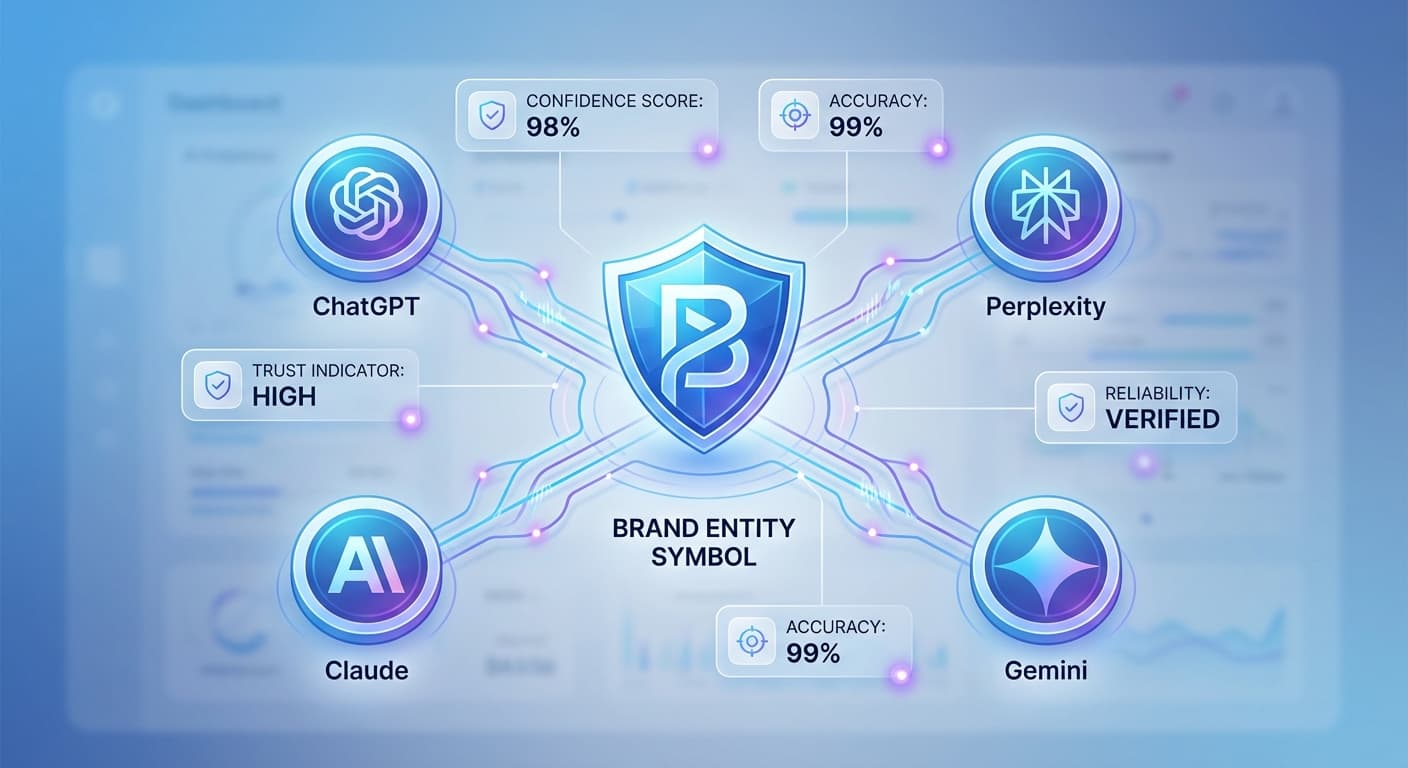
  • The platform's Citation Tracker monitors ChatGPT, Perplexity, Claude, and Gemini continuously, providing the ongoing visibility that manual audits can't match.

    Building Your Ongoing Monitoring System

    Weekly Monitoring


  • Track top 10 most important queries

  • Monitor competitor mentions

  • Check for new citation opportunities
  • Monthly Deep Dives


  • Full query set analysis

  • Content performance review

  • Platform-specific optimization planning
  • Quarterly Strategic Reviews


  • ROI analysis by platform

  • Budget allocation decisions

  • Content strategy adjustments
  • Turning Audit Insights Into Action

    Once you've completed your audit:

  • Prioritize platforms showing the highest conversion potential

  • Optimize existing content that's close to being cited

  • Create new content targeting citation gaps

  • Fix misinformation being perpetuated by AI engines

  • Monitor and iterate based on performance data
  • The Cost of Not Auditing

    Brands that don't track their AI visibility face:

  • Lost market share to more visible competitors

  • Wasted content budgets on platforms that don't convert

  • Brand reputation risks from uncorrected misinformation

  • Missed revenue opportunities from high-intent AI searchers
  • In 2026's AI-first search environment, visibility auditing isn't optional—it's essential for competitive survival.

    Ready to Optimize for AI Search?

    Stop guessing about your AI search performance. Citescope Ai provides automated citation tracking, competitive analysis, and revenue attribution across all major AI platforms. See exactly where your brand appears, which content gets cited, and which platforms drive real business results. Start your free trial today and get 3 content optimizations to test the waters—no credit card required.
    AI search optimizationcitation trackingbrand visibilityAI auditcross-platform SEO

    Track your AI visibility

    See how your content appears across ChatGPT, Perplexity, Claude, and more.

    Start for Free