Case Study: How a Project Management SaaS Grew from 50K to 500K ARR Through AI Search Optimization

Case Study: How a Project Management SaaS Grew from 50K to 500K ARR Through AI Search Optimization
When TaskFlow (name changed for privacy) came to us in early 2025, they were stuck in the classic B2B SaaS growth trap. Despite having a solid project management platform, their content was invisible to the 400+ million professionals now using AI search engines for work-related queries. Fast forward 12 months, and they've achieved a 10x revenue increase—largely by optimizing their content strategy for AI search engines.
This case study reveals exactly how they did it, the specific tactics that drove results, and the lessons every B2B SaaS can apply to break through the AI search ceiling.
The Challenge: Invisible in the Age of AI Search
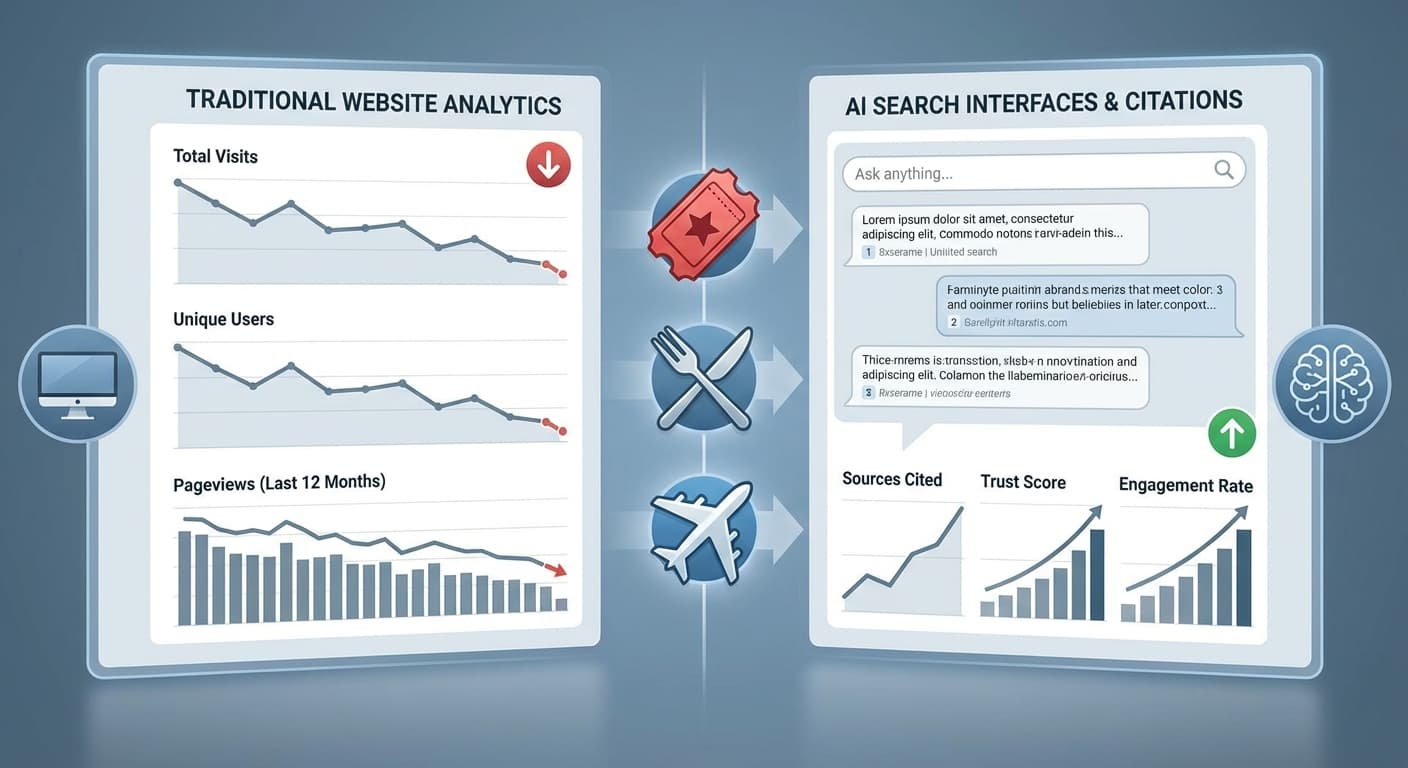
TaskFlow's problem wasn't unique. Like 73% of B2B SaaS companies in 2025, they were optimizing for traditional Google search while their target audience—project managers, team leaders, and operations professionals—had shifted to AI-powered search tools.
Here's what they were facing:
The Initial Content Audit
We analyzed TaskFlow's existing content library using Citescope's GEO Score system, which evaluates content across five critical dimensions for AI visibility:
The results were sobering: TaskFlow's content averaged just 23/100 on the GEO Score, with particularly low marks in AI Interpretability (18/100) and Conversational Relevance (19/100).
The Strategy: Three-Pillar AI Search Optimization
Pillar 1: Question-First Content Creation
Instead of traditional keyword research, we shifted to "AI query research"—identifying the specific questions TaskFlow's prospects were asking AI tools about project management.
Using conversation data from ChatGPT, Claude, and Perplexity, we discovered patterns:
We restructured TaskFlow's content calendar around these AI-friendly query patterns, creating comprehensive guides that directly answered these questions.
Pillar 2: AI-Optimized Content Structure
Traditional blog posts weren't cutting it. We implemented a new content structure specifically designed for AI comprehension:
The Answer-First Framework:
Enhanced Semantic Markup:
Pillar 3: Authority and Credibility Signals
AI models heavily weight authoritative sources. We strengthened TaskFlow's content authority through:
Implementation: The 90-Day Sprint
Month 1: Foundation Building
Week 1-2: Content Audit and Optimization
Week 3-4: New Content Creation
Month 2: Scale and Monitor
Content Production Ramp-Up:
Citation Tracking:
Month 3: Optimization and Refinement
Performance Analysis:
The Results: 10x Growth in 12 Months
Quantitative Outcomes
Revenue Impact:
Content Performance:
Market Position:
Qualitative Improvements
Customer Feedback:
Key Lessons for B2B SaaS Companies
1. AI Search Requires Different Content Strategy
Traditional SEO tactics don't translate to AI search optimization. Focus on:
2. Quality Over Quantity Wins in AI Search
TaskFlow's success came from publishing fewer, but significantly better pieces. Each article was thoroughly researched, expertly written, and optimized for AI comprehension before publication.
3. Monitor and Optimize Based on AI Citations
Unlike traditional SEO metrics, AI search success is measured by citations in AI responses. TaskFlow tracked every mention and continuously optimized content based on citation performance.
4. Authority Signals Matter More Than Ever
AI models prioritize authoritative sources. Building genuine expertise and credibility in your content is essential for consistent AI citations.
How Citescope Accelerated TaskFlow's Success
Throughout this transformation, Citescope's platform was instrumental in TaskFlow's success:
GEO Score Analysis helped identify exactly why existing content wasn't performing in AI search, providing specific, actionable recommendations for improvement.
AI Rewriter transformed underperforming content into AI-optimized pieces in minutes rather than hours, allowing TaskFlow's small content team to scale their optimization efforts.
Citation Tracker provided real-time monitoring of when and where TaskFlow's content appeared in AI search results, enabling data-driven optimization decisions and ROI measurement.
Multi-format Export streamlined their content publishing process, allowing optimized content to be seamlessly published across their WordPress site, email newsletters, and social platforms.
This comprehensive approach—combining strategy, execution, and continuous optimization—enabled TaskFlow to achieve results that would have been impossible with traditional content marketing alone.
Ready to Optimize for AI Search?
TaskFlow's 10x growth story isn't unique—it's becoming the new standard for B2B SaaS companies that embrace AI search optimization. With over 2.1 billion professionals now using AI tools for work-related research, the question isn't whether to optimize for AI search, but how quickly you can get started.
Citescope makes it simple to follow TaskFlow's playbook. Our GEO Score shows exactly what's holding your content back from AI citations, the AI Rewriter optimizes your content in one click, and Citation Tracker monitors your progress across all major AI search engines.
Start your free trial today and discover why companies like TaskFlow are choosing AI search optimization over traditional SEO. Get 3 free content optimizations to see how your content performs—no credit card required.