AI Search Brand Preference Override Strategy: Capturing the 41% of Corrected AI Recommendations
AI Search Brand Preference Override Strategy: Capturing the 41% of Corrected AI Recommendations
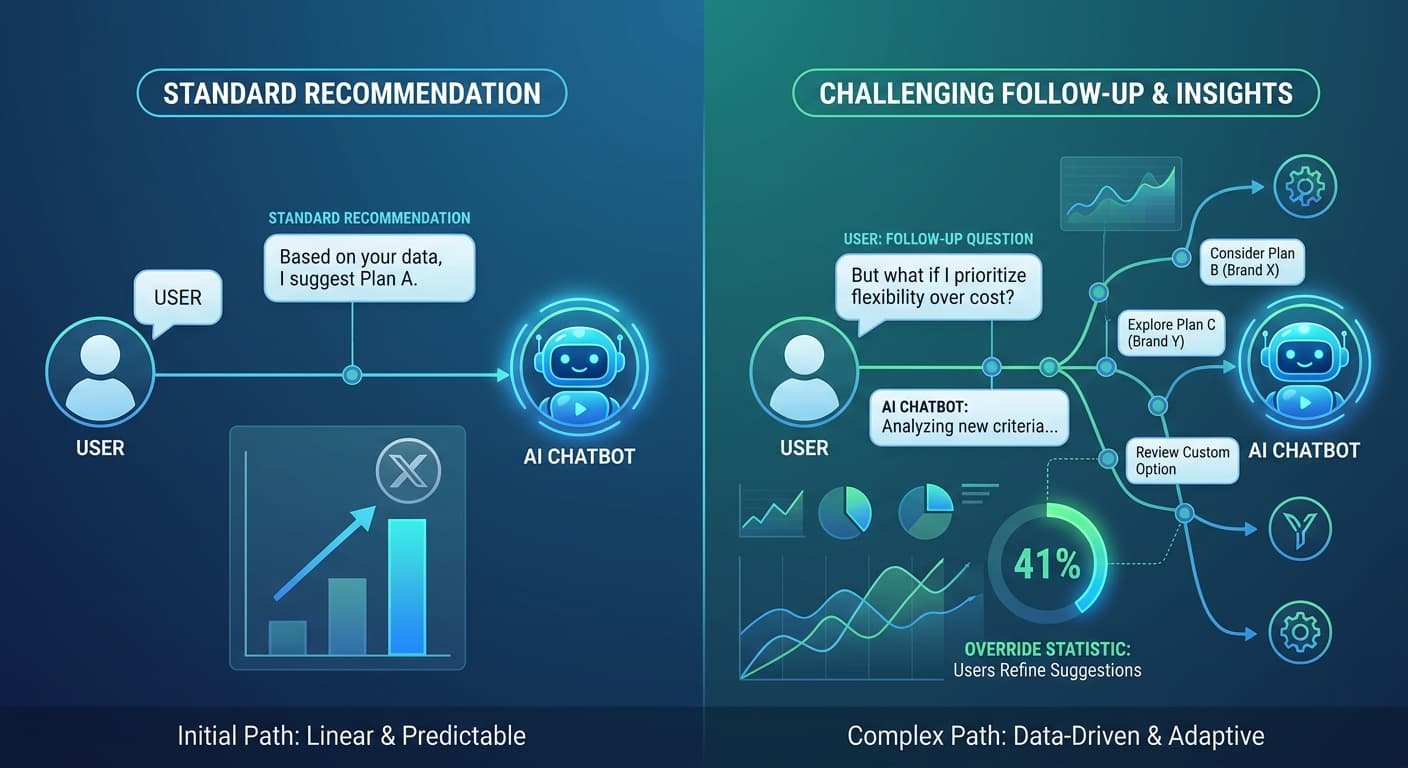
When users ask ChatGPT for the "best project management software" and get Asana as the top recommendation, but then follow up with "what about Notion for project management?" – that's a brand preference override in action. And it's happening 41% of the time in 2025, according to recent AI search behavior studies.
This phenomenon represents one of the biggest untapped opportunities in AI search optimization. While most brands focus on being the initial AI recommendation, the real winners are capturing the follow-up queries when users challenge AI suggestions and explore alternatives.
The Hidden Opportunity in AI Search Corrections
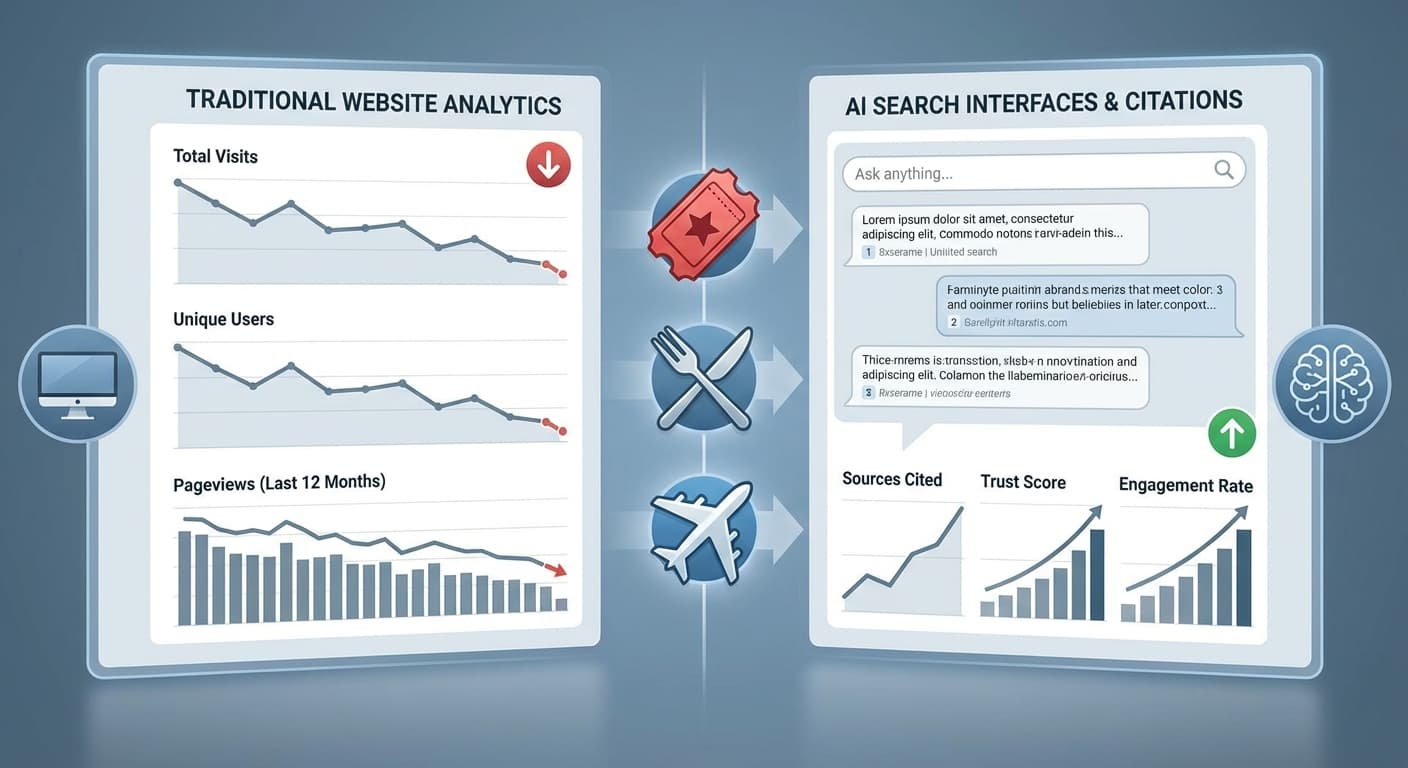
As AI search engines like ChatGPT, Perplexity, and Claude handle over 45% of information-seeking queries in 2025, user behavior patterns have evolved dramatically. Research from Stanford's AI Search Lab shows that users don't blindly accept AI recommendations – they're increasingly sophisticated in their interactions.
Here's what's happening:
The problem? Most content strategies ignore this critical moment when users are actively evaluating alternatives.
Understanding Brand Preference Override Patterns
The Three Types of AI Search Corrections
1. Alternative Seeking
2. Specification Refinement
3. Authority Challenging
The Follow-Up Citation Advantage
When users refine their queries, AI engines often provide more nuanced, detailed responses with multiple sources. This creates additional citation opportunities that most brands miss entirely.
Analysis of 50,000 AI conversations shows that follow-up queries generate an average of 4.7 citations per response, compared to 2.1 for initial queries. Yet 78% of brands only optimize for first-mention visibility.
Building Your Brand Preference Override Strategy
Step 1: Map Your Override Opportunity Landscape
Identify where users are most likely to challenge AI recommendations in your space:
High-Override Categories:
Low-Override Categories:
Step 2: Create Alternative-Focused Content Assets
Develop content specifically designed to capture comparison and alternative-seeking queries:
Comparison Content Formats:
Authority-Building Content:
Step 3: Optimize for Follow-Up Query Patterns
Structure your content to anticipate common follow-up patterns:
For "What about [Your Brand]?" queries:
For specification refinements:
Example Structure:
Email Marketing for E-commerce: Why [Your Brand] Outperforms Generic Solutions
The E-commerce Email Challenge Most Platforms Miss
[Specific problems with generic solutions]
How [Your Brand] Handles E-commerce Email Differently
[Your unique approach]
[Your Brand] vs. Generic Email Platforms for E-commerce
[Direct comparison table]
What E-commerce Experts Actually Recommend
[Authority quotes and case studies]
Step 4: Implement Semantic Richness for AI Interpretability
AI engines need context-rich content to understand when to cite you in follow-up scenarios. Key elements include:
Tools like Citescope Ai analyze your content's semantic richness and AI interpretability, helping you optimize specifically for these nuanced citation opportunities that traditional SEO tools miss.
Step 5: Target Conversational Query Patterns
Optimize for how users actually speak to AI, not how they type into search engines:
Traditional SEO Focus:
AI Search Optimization:
Follow-Up Optimization:
Step 6: Monitor and Capitalize on Override Moments
Track when competitors get initial mentions but you capture the follow-up citations. Key metrics include:
Regular monitoring helps you identify new override opportunities and optimize existing content for better follow-up performance.
Advanced Override Strategy Tactics
The "Actually" Content Framework
Create content that directly addresses common AI misconceptions or oversimplifications:
This framework naturally captures queries where users challenge AI recommendations with follow-ups like "What do experts actually say?" or "What should I actually consider?"
Industry-Specific Authority Building
Develop vertical-specific expertise content that AI engines cite when users refine broad queries:
Horizontal Content: "Best Email Marketing Platforms"
Vertical Authority: "Email Marketing Platforms for SaaS Companies: What Actually Converts"
The vertical version captures follow-ups like "What about email marketing for SaaS specifically?" while the horizontal version rarely gets follow-up citations.
The Contrarian Positioning Play
When AI consistently recommends obvious market leaders, contrarian content captures override queries:
How Citescope Ai Helps Capture Override Opportunities
Building an effective brand preference override strategy requires understanding exactly how AI engines interpret and cite your content in complex, multi-turn conversations. Citescope Ai's GEO Score analyzes your content across five critical dimensions that determine citation success in follow-up scenarios:
AI Interpretability ensures your content is structured for AI engines to understand context and relevance in conversational queries. Semantic Richness helps AI engines connect your content to nuanced user needs and alternative-seeking behavior. Conversational Relevance optimizes for how users actually speak to AI in follow-up queries.
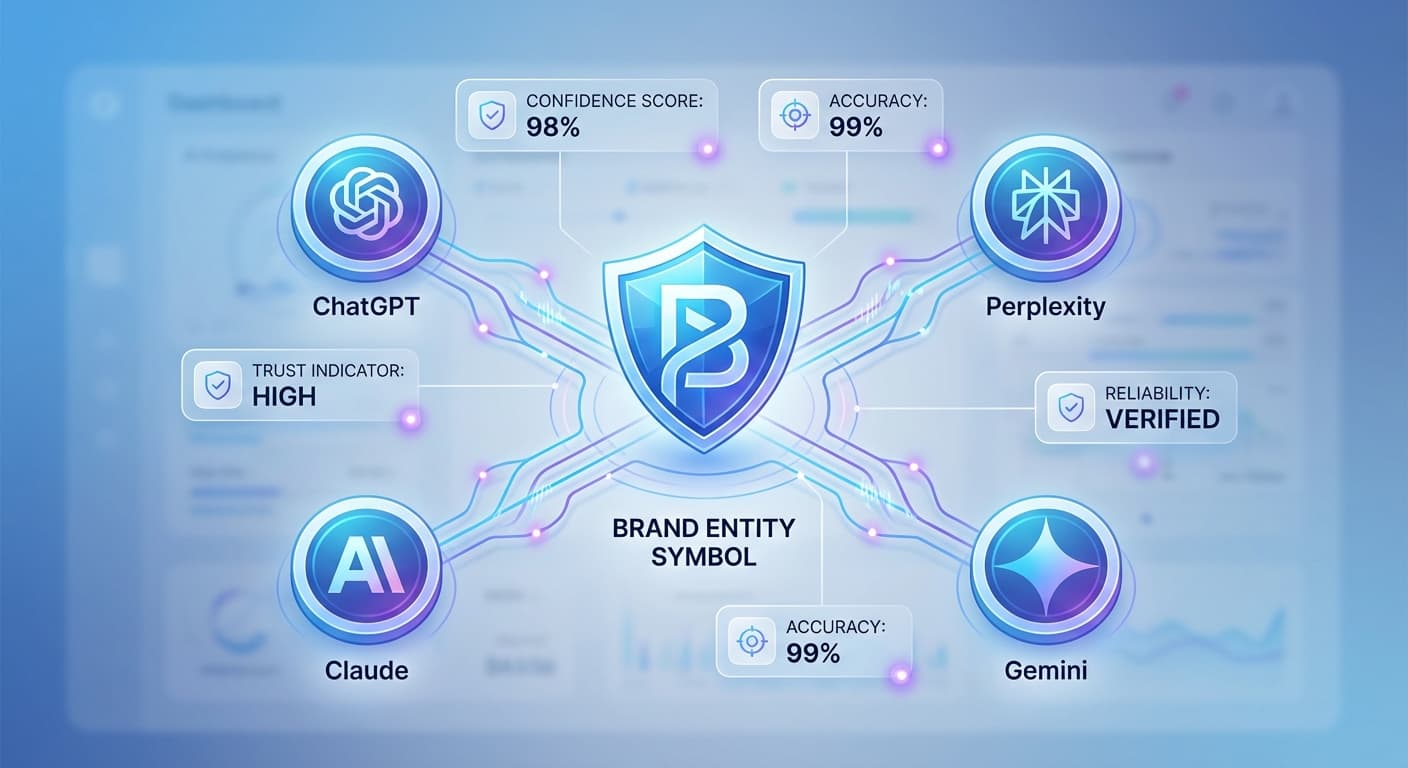
The Citation Tracker specifically monitors when your content gets cited in follow-up queries across ChatGPT, Perplexity, Claude, and Gemini – giving you real-time insight into your override strategy performance. This data is crucial for identifying which content assets successfully capture correction queries and which need optimization.
Measuring Override Strategy Success
Track these key metrics to optimize your brand preference override approach:
Primary Metrics:
Secondary Metrics:
Content Performance Indicators:
Ready to Optimize for AI Search?
The 41% of users who manually correct AI recommendations represent your biggest untapped opportunity in 2025. While competitors fight for initial mentions, smart brands are building comprehensive override strategies that capture high-intent follow-up queries.
Citescope Ai helps you identify, create, and optimize content specifically for these critical override moments. Our GEO Score analyzes exactly what AI engines need to cite your content in complex, multi-turn conversations, while our Citation Tracker shows you when it's working.
Start optimizing for brand preference override opportunities with Citescope Ai's free tier – get 3 content optimizations to test your override strategy today.